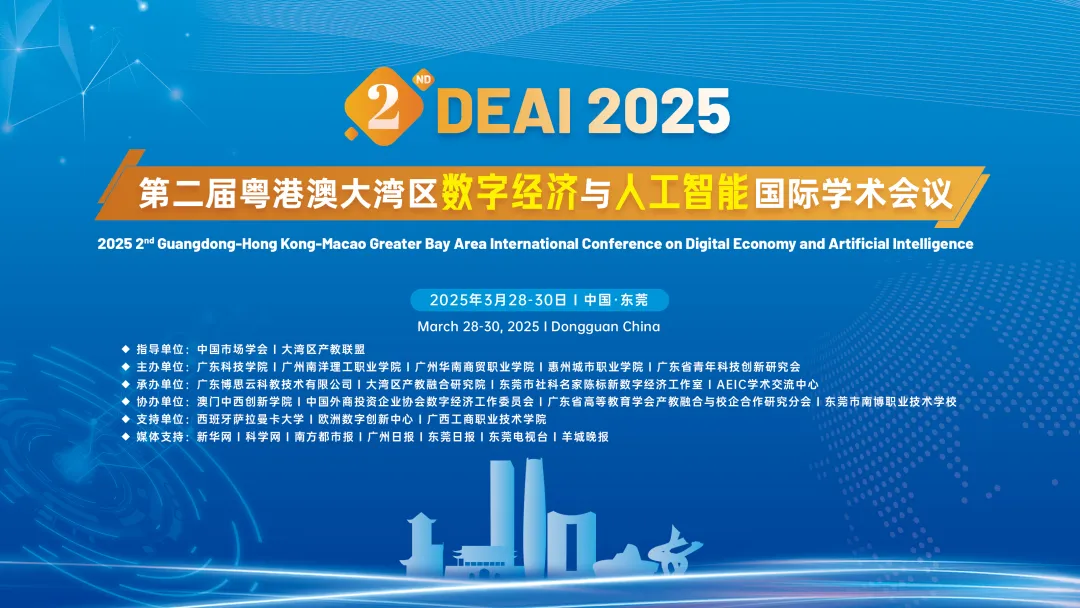
From March 29 to 30, the 2nd Guangdong-Hong Kong-Macao Greater Bay Area International Conference on Digital Economy and Artificial Intelligence (DEAI 2025) was successfully held in Dongguan and Huizhou. Marking its first-ever dual-city collaboration, the conference was anchored by a main venue at the Songshan Lake Campus of Guangdong University of Science and Technology, with a sub-venue at the East Campus of Huizhou City College. Under the theme "Empowering the Future: The Convergence of Digital Economy and Artificial Intelligence," the event featured over ten activities — including keynote speeches, oral presentations of outstanding papers, poster sessions, roundtable dialogues, achievement releases, and hands-on training workshops — to comprehensively showcase the deep integration and innovative practices between academia and industry in the fields of digital economy and artificial intelligence. It aimed to advance digital transformation and intelligent applications, injecting new innovation momentum into the high-quality development of the Guangdong-Hong Kong-Macao Greater Bay Area.
I. Dongguan Main Venue
A Gathering of Distinguished Minds to Chart a New Blueprint
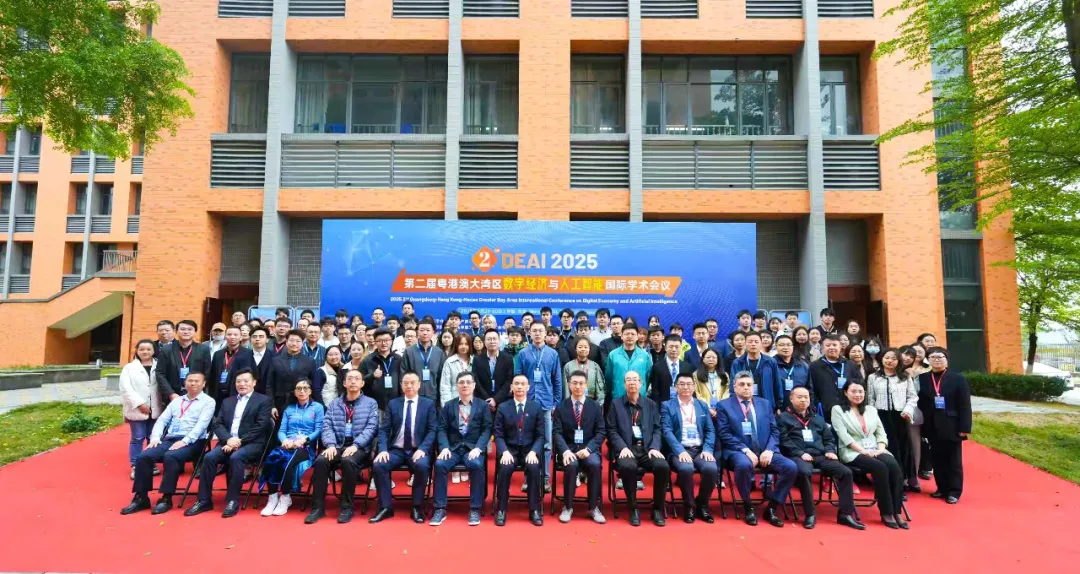
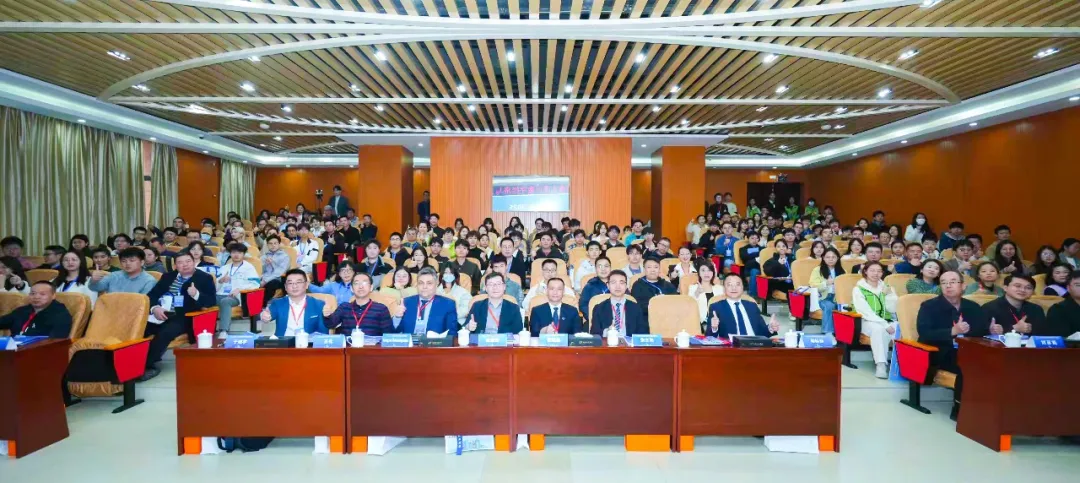
On the morning of March 29, DEAI 2025 opened at its main venue, the Songshan Lake Campus of Guangdong University of Science and Technology. The conference attracted more than 200 on-site participants, including scholars from over 40 universities — such as the University of Salamanca (Spain), Hang Seng University of Hong Kong, Zhejiang University, South China University of Technology, Beijing Normal University, Harbin Institute of Technology (Shenzhen), Southern University of Science and Technology, Guangdong University of Technology, Ocean University of China, University of Science and Technology Beijing, Guangdong University of Finance & Economics, Chengdu University of Technology, Macao Institute of Innovation, Jiangxi Institute of Fashion Technology, Yingkou Institute of Technology, Huizhou City College, Dongguan Polytechnic, and Sichuan Post and Telecommunication College — along with the European Digital Innovation Center, leading industry players such as NetEase (Hangzhou) Network Co., Ltd. and the Shenzhen Artificial Intelligence Industry Association, as well as representatives from research institutions. Faculty and students from institutions including New York University (USA), Georgia Institute of Technology, Drexel University, Coventry University (UK), Hanshin University (Korea), Lincoln University College (Malaysia), City University of Macau, National University of Defense Technology, Peking University HSBC Business School, Sun Yat-sen University, Sichuan University, West Yunnan University of Applied Sciences, University of Science and Technology Liaoning, Xiangnan University, Yunnan College of Business Management, Yunnan Vocational College of Science and Technology, Lanzhou Bowen College of Science and Technology, Guangzhou College of Software, and Liaoning Agricultural Technical College — together with corporate representatives from the State Grid Digital Business Department, China Nuclear Power Engineering Co., Ltd., NARI Group Corporation, Chongqing Design Group Co., Ltd., and CEPREI Certification Body Service Co., Ltd. (Guangzhou) — participated online.
The conference was guided by the China Marketing Association and the Greater Bay Area Industry-Education Alliance. It was co-hosted by Guangdong University of Science and Technology, Guangzhou Nanyang Polytechnic College, Guangzhou Huanan Business Vocational College [verify], Huizhou City College, and the Guangdong Provincial Youth Science and Technology Innovation Research Association. It was organized by Guangdong Bosiyun Science and Education Technology Co., Ltd., the Greater Bay Area Industry-Education Integration Research Institute, the Dongguan Social Science Celebrity Chen Biaoxin Digital Economy Studio, and the AEIC Academic Exchange Center. More than ten domestic and overseas institutions provided co-organizing support, including the University of Salamanca, the European Digital Innovation Center, Macao Institute of Innovation [verify], the Digital Economy Working Committee of the China Association of Enterprises with Foreign Investment, the Industry-Education Integration and School-Enterprise Cooperation Research Branch of the Guangdong Higher Education Association, Dongguan Nanbo Vocational School, and Guangxi Vocational and Technical College of Industry and Commerce. Media support was provided by Xinhua Net, ScienceNet, Guangzhou Daily, Yangcheng Evening News, Dongguan Daily, and Sina.com.
(1) Leaders' Addresses: Advancing Industry-Education Integration in Digital Economy and AI
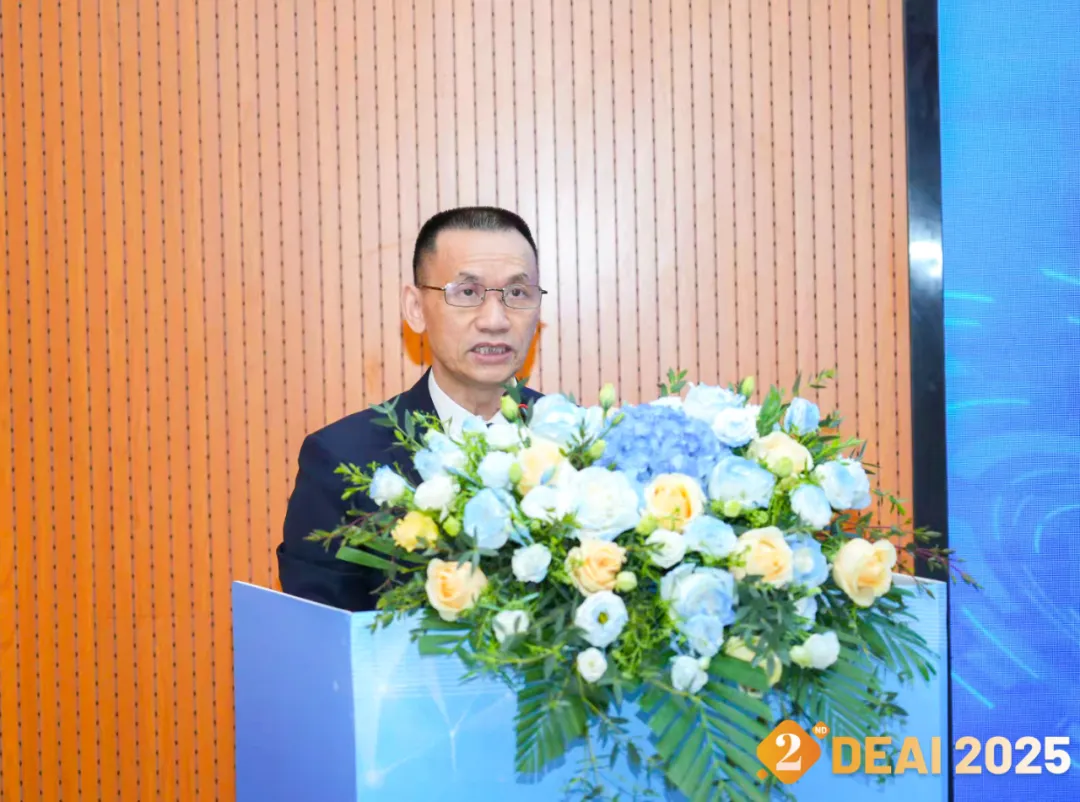
Professor Liang Ruixiong, President of Guangdong University of Science and Technology and Chairman of the Greater Bay Area Industry-Education Alliance, stated in his address that the Guangdong-Hong Kong-Macao Greater Bay Area is a strategic core zone for the nation's technological innovation and industrial upgrading, carrying multiple missions of driving scientific breakthroughs, economic transformation, and the modernization of social governance. Closely aligned with the frontiers of the digital economy and trends in educational reform, the conference aims to explore how digital technologies can restructure regional development models and drive two-way breakthroughs in "hard connectivity" and "soft integration," using technological innovation to solve practical challenges and providing support for the implementation of sustainable economic and social development.
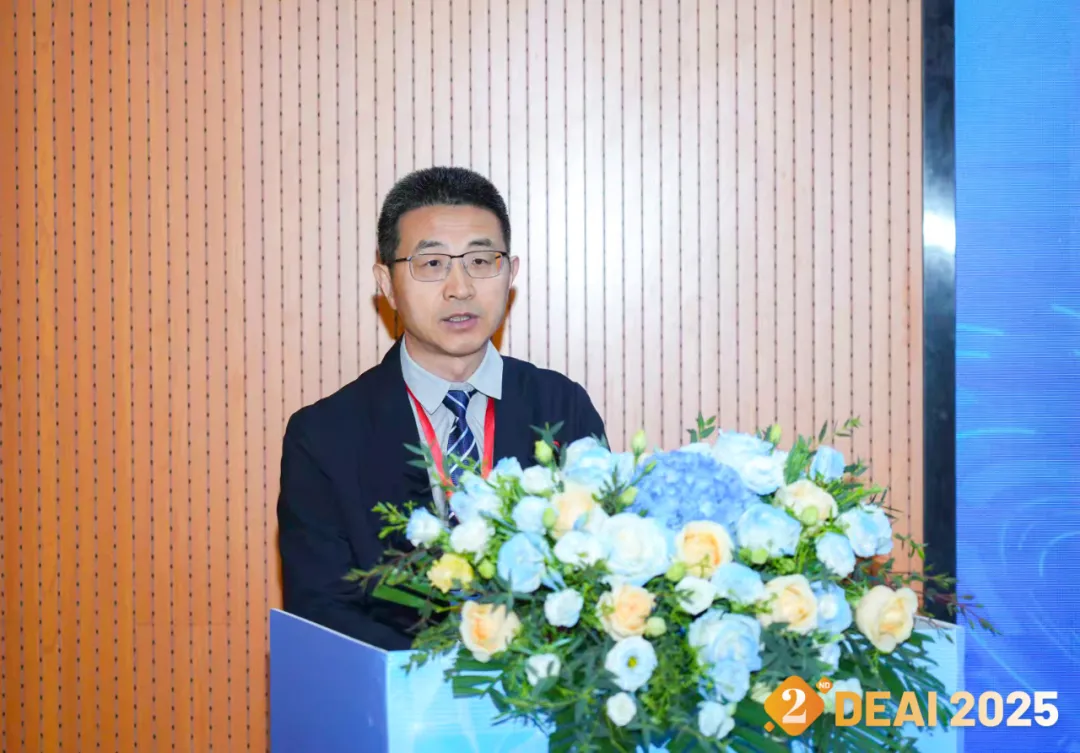
Dr. Zhang Fangyang, President of Huizhou City College, noted in his address that the conference is dedicated to deeply exploring and practicing frontier pathways for digital teaching, innovative strategies for intelligent management, and effective models for personalized learning, thereby helping to create a more intelligent and efficient educational environment.
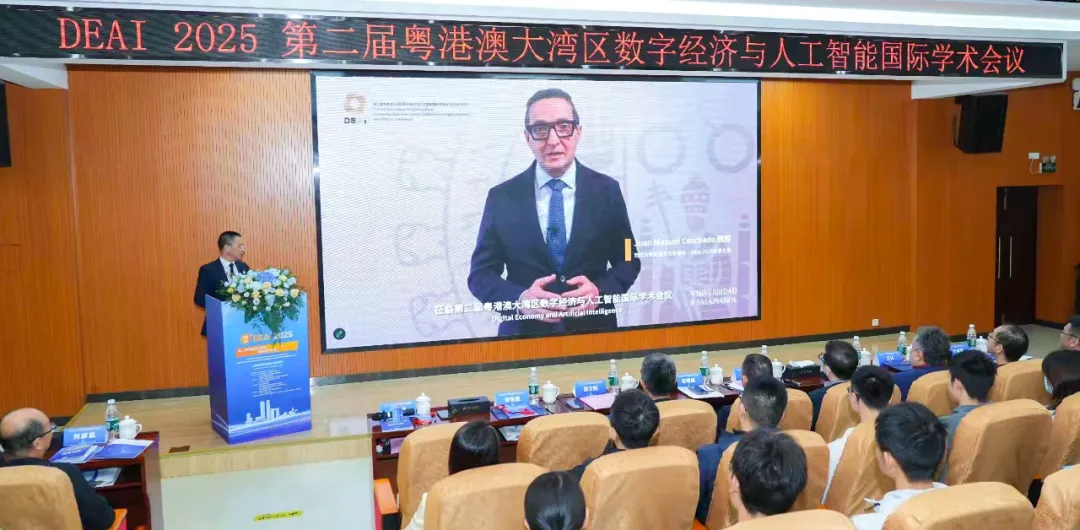
Professor Juan Manuel Corchado, President of the University of Salamanca, delivered a video address, pointing out that innovation in the global digital economy requires stronger cross-border collaboration. Through academic exchange and joint project development, the global community can build consensus on technical standards and ethical rules, and promote the coordinated development of industry, academia, and research. He described the conference as an important platform for advancing interdisciplinary collaboration in digital economy and artificial intelligence.
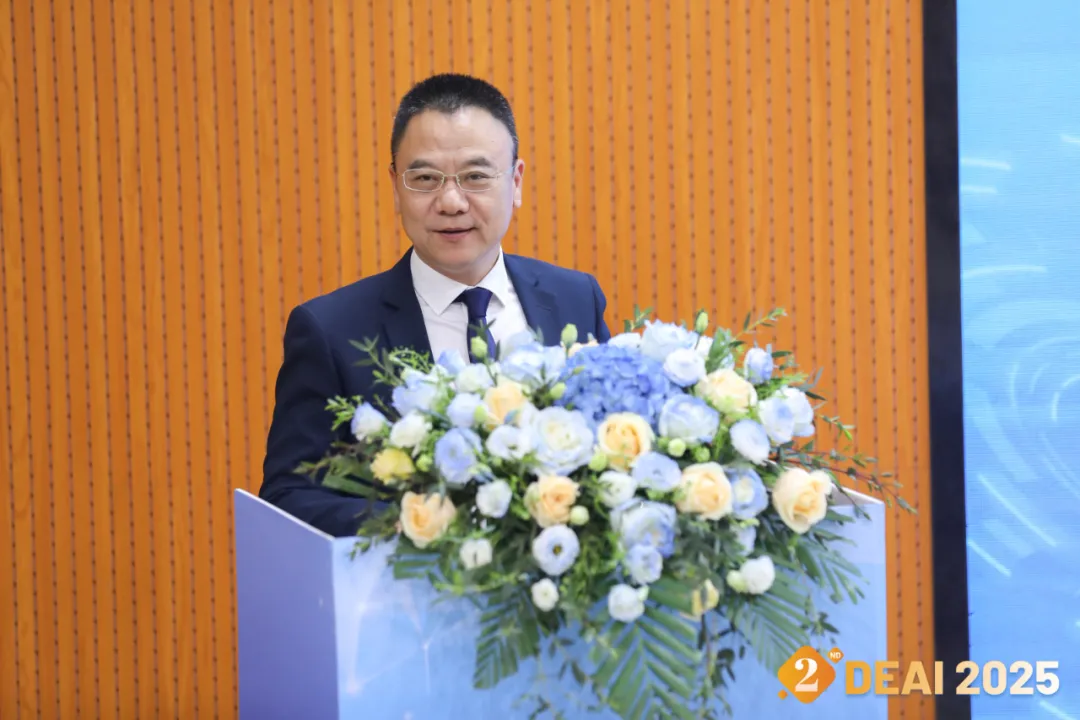
The opening ceremony and keynote session were hosted by Professor Chen Biaoxin, Executive President of the Greater Bay Area Industry-Education Alliance and Vice President of Guangdong University of Science and Technology.
(2) Keynote Reports: Experts Discuss Frontier Technologies and Application Strategies
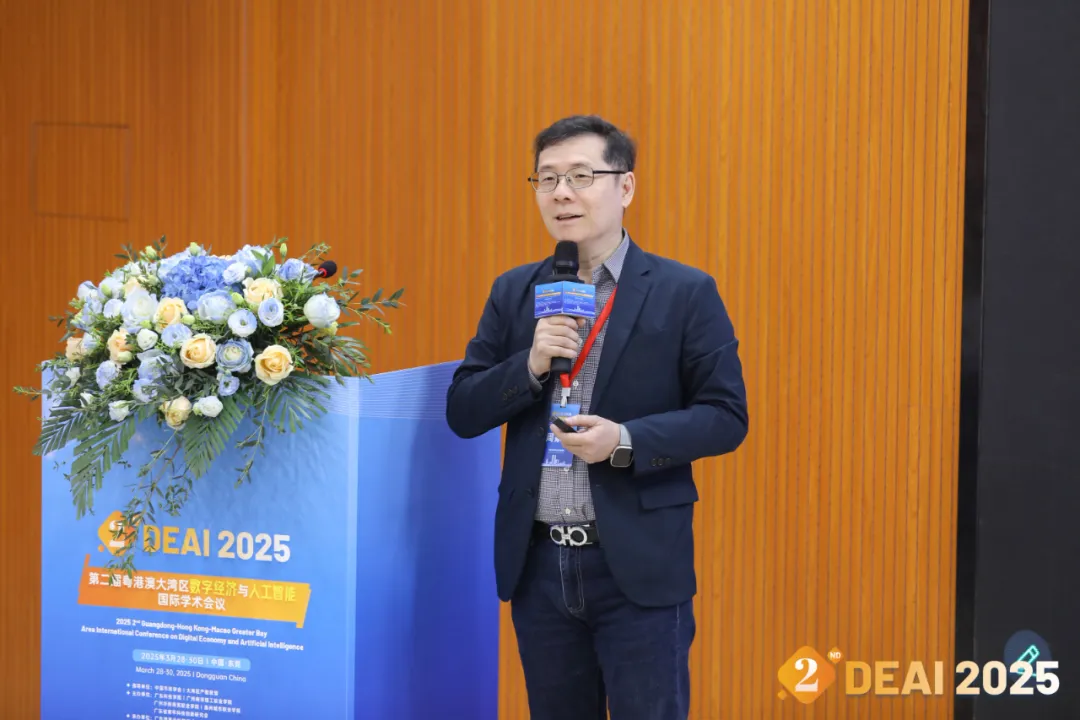
Professor Zhou Jiaxian of Hang Seng University of Hong Kong delivered a keynote titled "The Development of Artificial Intelligence in Hong Kong, China." He noted that Hong Kong possesses remarkable research strength in AI — for example, the Chinese University of Hong Kong has developed an automatic face-recognition system and AI-assisted lung cancer diagnosis technologies — yet it faces challenges such as insufficient talent reserves, low levels of data openness, and a shortage of computing resources. He proposed solutions including building an Asian supercomputing center to enhance computing power, popularizing AI education to cultivate more professionals, and deepening collaboration and coordination within the Greater Bay Area, so as to jointly advance AI innovation and application.
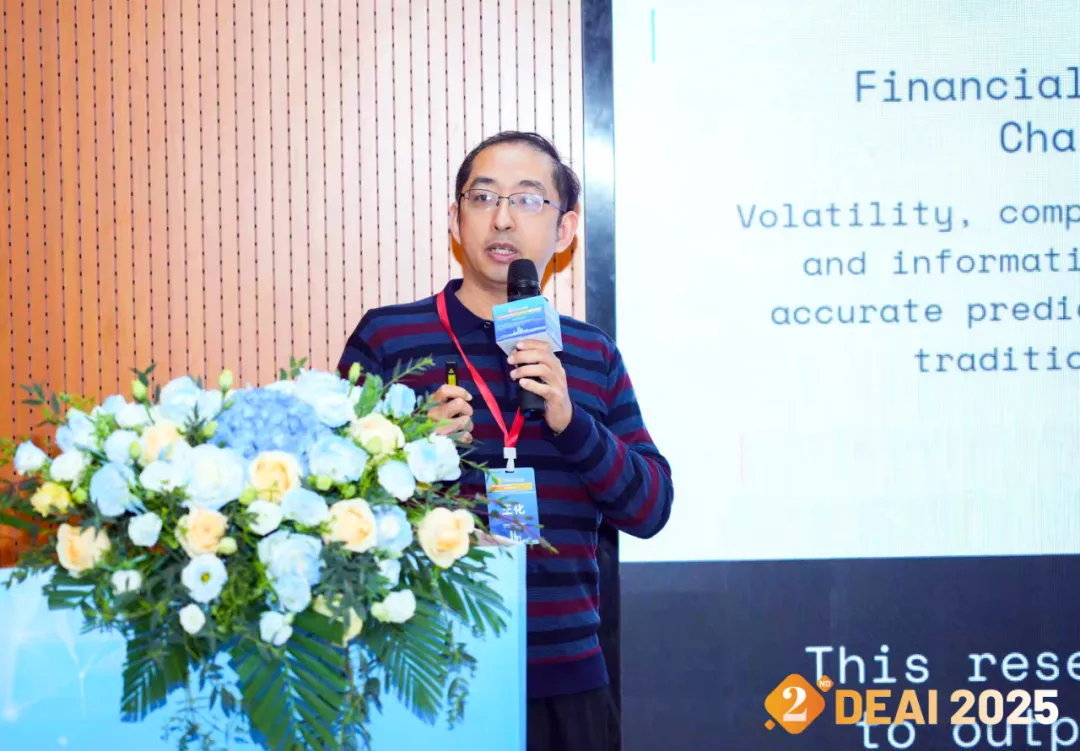
Professor Wang Hua of Zhejiang University delivered a keynote titled "Overview of AI + Finance and Large Language Model Market Prediction Based on Sentiment Analysis." He showcased a specialized large language model and its enormous development potential in the financial sector. He stated that the team plans to introduce reinforcement learning techniques in the future to further optimize the model's dynamic adaptability, enabling it to better respond to complex and volatile market environments.
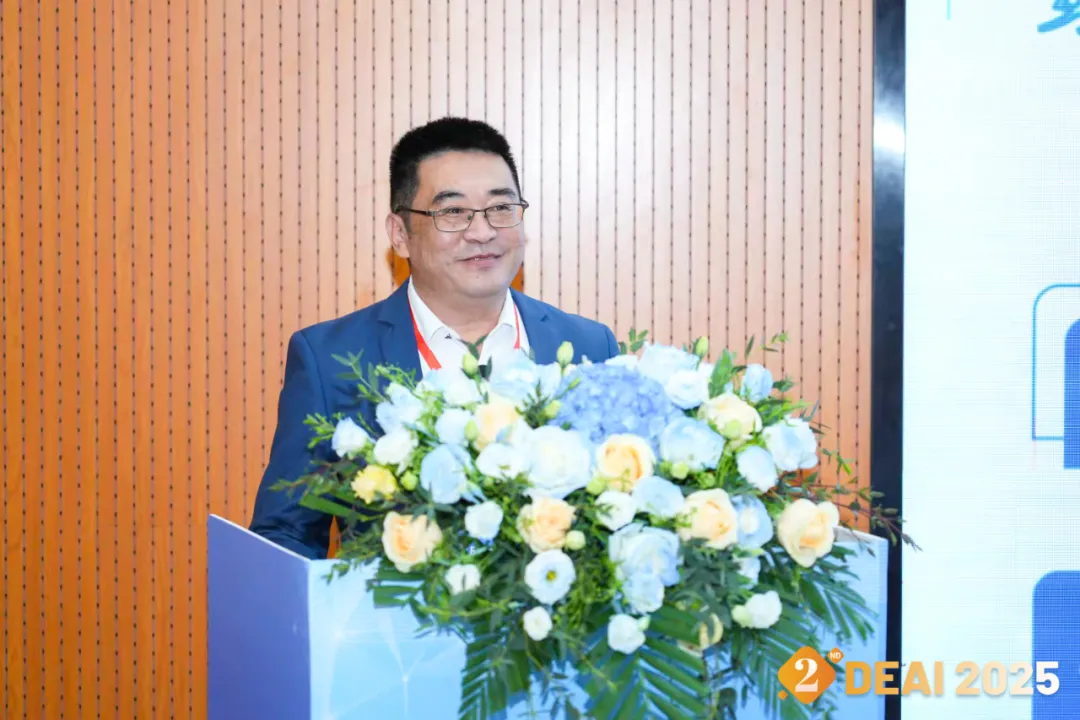
Professor Yu Chengxue of Guangdong University of Finance & Economics delivered a keynote titled "The Global Transformation of the Digital Economy and China's Role: Artificial Intelligence Reshaping the New Landscape of International Competition." He pointed out that the global digital economy is being rapidly restructured by AI competition. Through indigenous innovation, China has broken through chip blockades, built computing networks and open-source ecosystems, and prioritized the application of AI in vertical fields such as smart manufacturing, finance, and healthcare. The Greater Bay Area should use institutional innovation to facilitate cross-border data flows and tackle hard-tech challenges, enhance its voice in international rule-making, pursue global cooperation to jointly build an intelligent civilization, and advance the development of a community with a shared future for mankind.
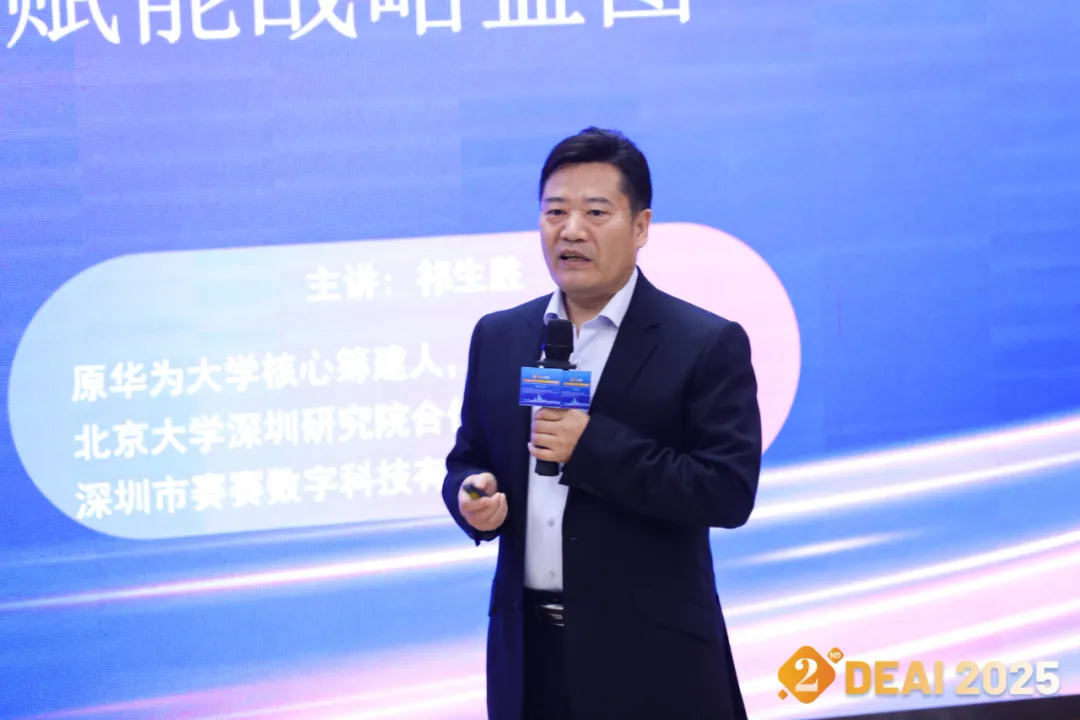
Mr. Qi Shengsheng, Vice President of the Shenzhen Artificial Intelligence Industry Association and Chairman of Shenzhen Saisai Digital Technology Co., Ltd., delivered a keynote titled "A Strategic Blueprint for the 'Bidirectional Empowerment' of the Education Industry Driven by AI: 10 Innovative Pillars for Cultivating Future Talent." He proposed that AI is driving bidirectional empowerment between industry and education: on the industry side, efficiency is improved through smart factories and supply-chain optimization; on the education side, precise teaching is achieved via personalized learning platforms and virtual teaching assistants. Going forward, the building of an education-industry complex will be promoted to seamlessly connect campuses with education, while challenges in technology integration and ethical norms are overcome and an open ecosystem is established to foster the sustainable development of the knowledge economy.
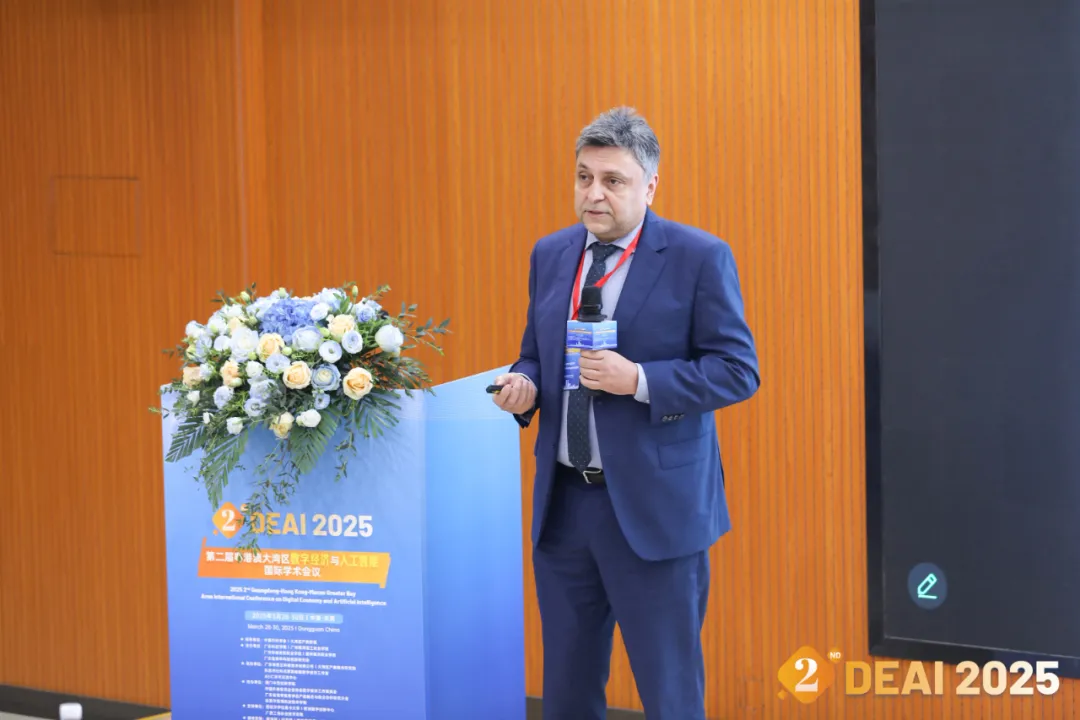
Professor Georgios Theodoropoulos, Member of Academia Europaea and Professor at Southern University of Science and Technology, delivered a keynote titled "Digital Twins for Sustainable Block Chain Systems." Focusing on the dynamic optimization of blockchain systems, he proposed a management solution based on Digital Twins, and through the self-developed simulation tool SymBChainSim, innovatively designed a "meta-blockchain" decision-making layer to ensure transparency and traceability, providing technical assurance for decentralized governance.
(3) Specially Appointed Experts: Appointment Ceremony Held
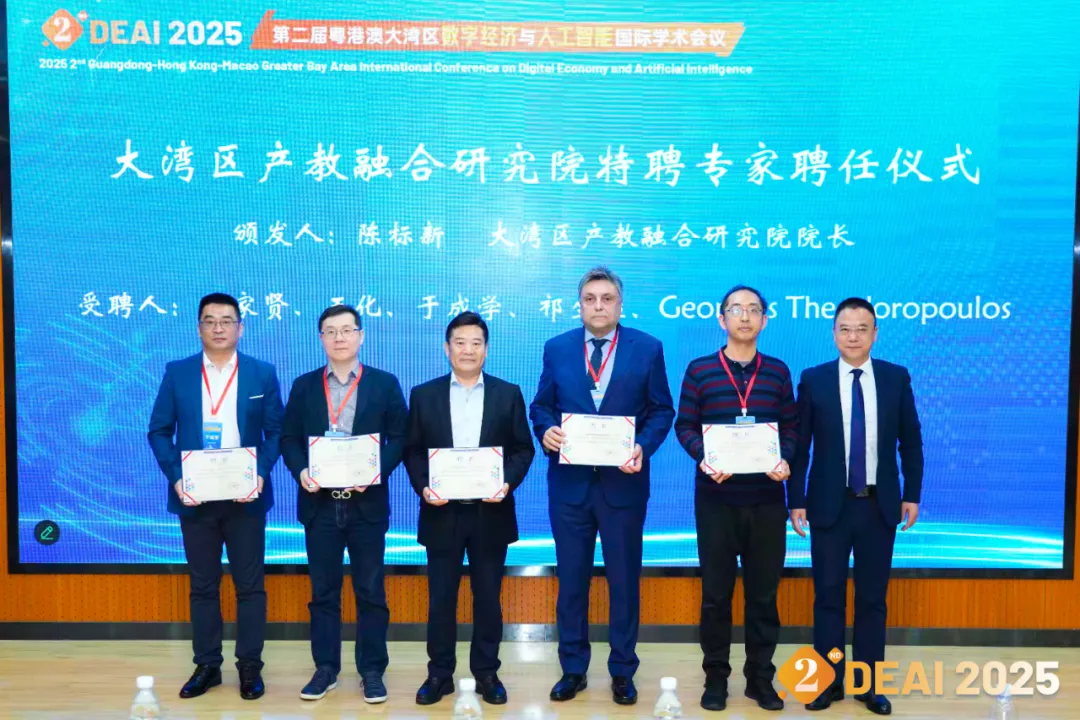
At the conference, the appointment ceremony for specially appointed experts of the Greater Bay Area Industry-Education Integration Research Institute was held. Professor Chen Biaoxin, Vice President of Guangdong University of Science and Technology and Dean of the Greater Bay Area Industry-Education Integration Research Institute, presented certificates of appointment to five scholars and entrepreneurs with outstanding achievements in digital economy, artificial intelligence, smart finance, international competition, and blockchain — namely Professor Zhou Jiaxian, Professor Wang Hua, Professor Yu Chengxue, Professor Georgios Theodoropoulos, and Chairman Qi Shengsheng. Their joining injected strong intellectual support into the institute and further strengthened its think-tank capacity.
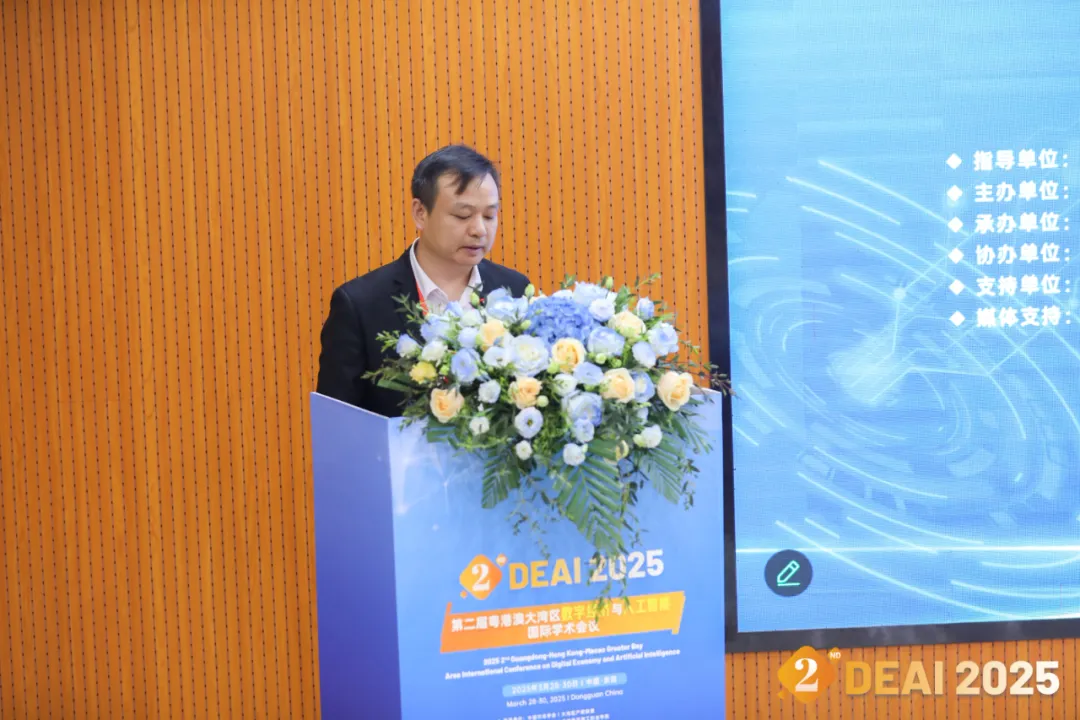
The appointment ceremony was hosted by Mr. Li Jiancai, Executive Secretary-General of the Greater Bay Area Industry-Education Alliance.
(4) Achievement Presentations and Conference Summary
The conference received 378 papers from more than 500 authors across over 20 countries and regions. Fourteen representative authors of outstanding papers — including Liu Lidong of Guangdong University of Science and Technology, Chen Jinrong of South China University of Technology, Liu Bin of Changsha University of Science and Technology, Yuan Shuai of Harbin Institute of Technology (Shenzhen), Zhu Guoqing of Guangzhou Huanan Business Vocational College [verify], and Deng Taisheng of NetEase (Hangzhou) Network Co., Ltd. — presented their research under themes such as "Analysis of Embedded Development of Smart Rural Agriculture," "Impact of Carbon Trading Policies on Total Factor Productivity of Enterprises: An Innovative Method Based on Particle Swarm Optimization and Machine Learning," "Research on the Scale Measurement and Economic Effects of Artificial Intelligence in the Guangdong-Hong Kong-Macao Greater Bay Area," and "Construction of NetEase Tianxuan Chain Open-Source Community."
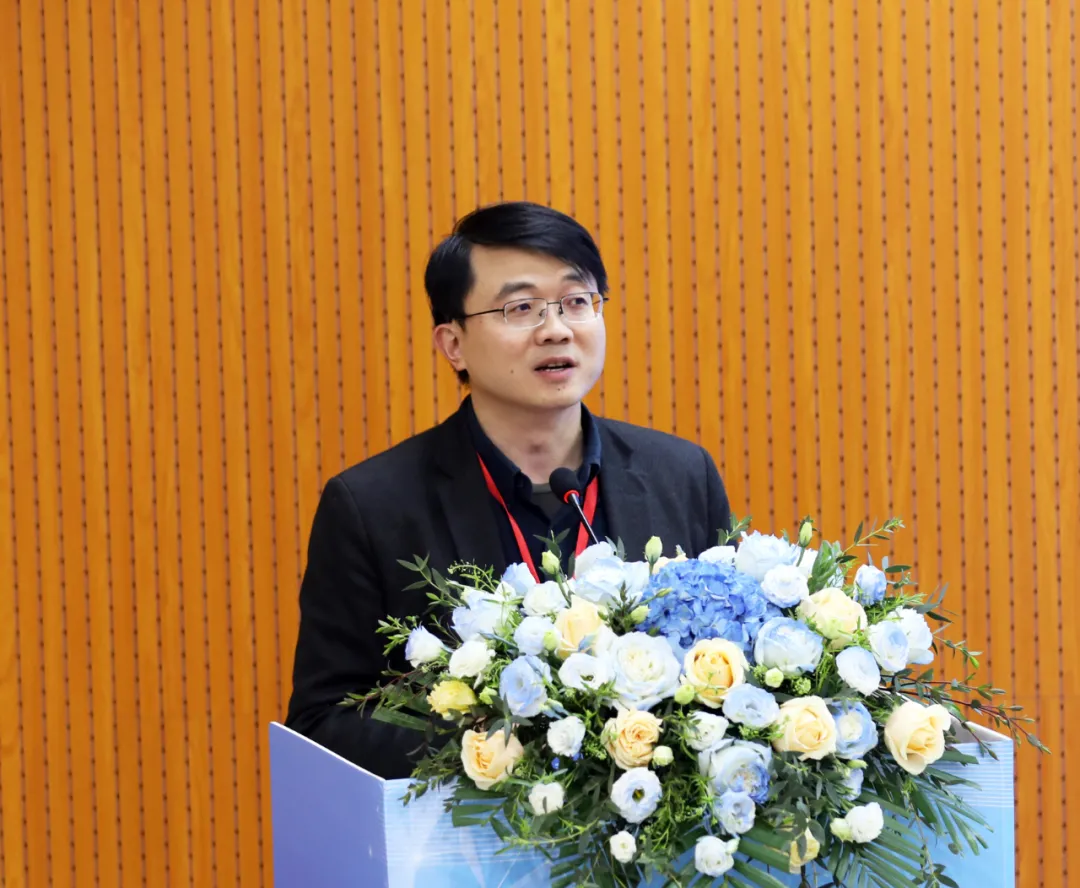
Mr. Wu Bo, Vice Dean of the Greater Bay Area Industry-Education Integration Research Institute and Vice President of Guangdong Bosiyun Science and Education Technology Co., Ltd., hosted the oral presentation session for outstanding paper authors and delivered the conference summary. He stated that DEAI 2025, under the theme "Empowering the Future: The Convergence of Digital Economy and Artificial Intelligence," brought together renowned scholars, industry leaders, and innovative practitioners from around the world to jointly explore frontier technologies and development trends in digital economy and artificial intelligence. The five keynote speakers and fourteen outstanding paper authors showcased the fruitful results of academia and industry, reflecting the deep integration of "industry, academia, research, and application." The conference is not only a platform for academic exchange, but also a microcosm of collaborative innovation in the Greater Bay Area, demonstrating the spirit of open cooperation under a global vision. He called for deepening cross-sector collaboration, accelerating the translation of results, and jointly writing a new chapter in which digital economy and artificial intelligence empower high-quality development.
(5) Poster Presentations Foster Exchange
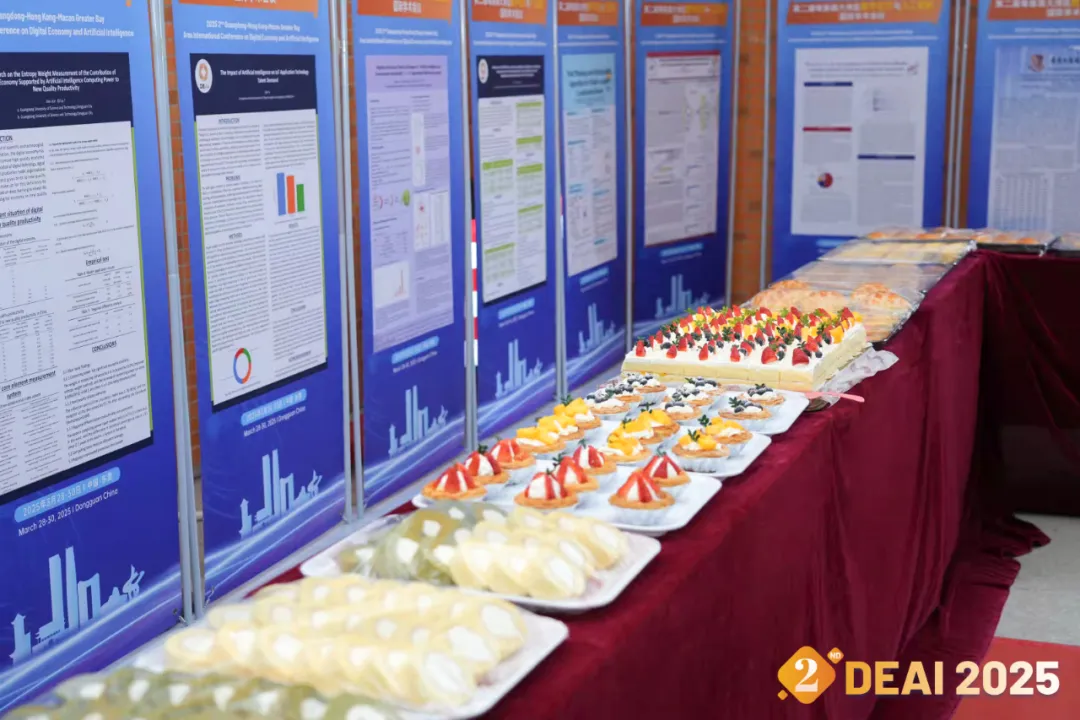
The carefully designed poster exhibition area became a highlight of DEAI 2025. Through posters, the conference showcased 41 outstanding papers covering innovative research in frontier fields such as artificial intelligence, blockchain, smart healthcare, and green energy. These posters not only demonstrated the deep integration of academia and industry in digital economy and artificial intelligence, but also provided a platform for young scholars to showcase their talents. Participants engaged in lively discussions around the posters, sharing perspectives and insights that sparked the collision of innovative thinking, making the poster session an important component of the conference's academic exchange and innovative practice.
II. Huizhou Sub-Venue
Focusing on Industry-Education Integration in Practice
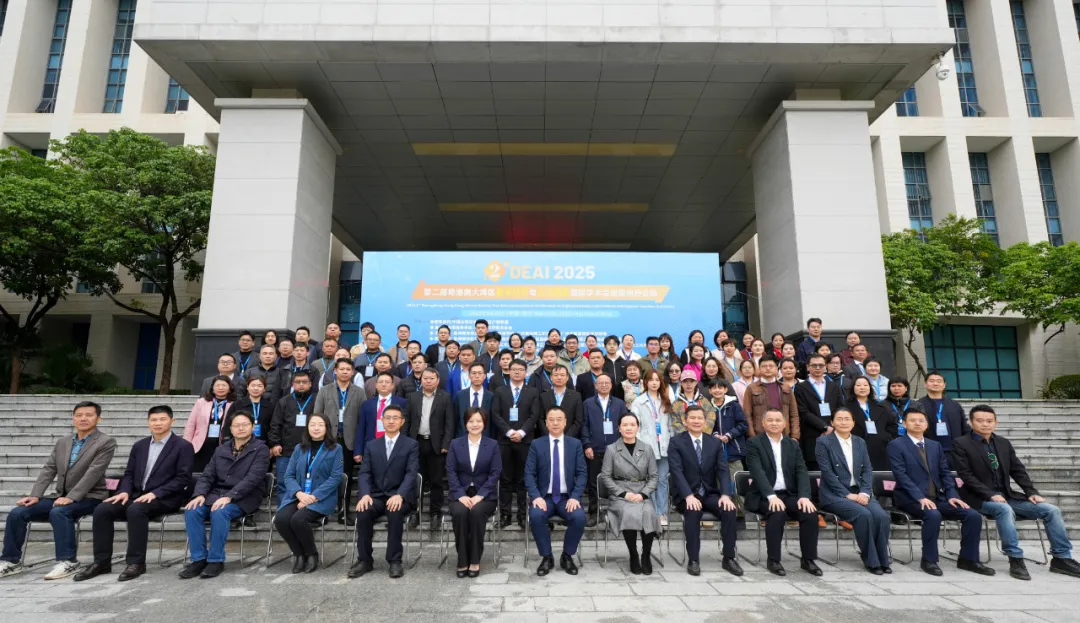
On March 30, the conference sub-venue was held at Huizhou City College. More than 300 participants attended, including leaders and guests such as Chen Biaoxin (Executive President of the Greater Bay Area Industry-Education Alliance and Vice President of Guangdong University of Science and Technology), He Jinhua (Chairman of the Huizhou Association for Science and Technology), Gong Qian (Member of the Party Leadership Group and Deputy Director of the Huizhou Education Bureau), Zhong Wenyu (Party Secretary of Huizhou City College), Zhang Fangyang (President of Huizhou City College), Chen Youpeng (Vice President of Guangzhou Nanyang Polytechnic College), Li Cuiling (Vice President of Huizhou Economics and Polytechnic College), Zhang Yanhong (Vice President of Huizhou Engineering Vocational College), Han Guoxin (Vice President of Huizhou Engineering Vocational College), Chen Wen (Vice President of Huizhou Health Vocational and Technical College), Jin Zhengbin (Vice President of Huizhou Technician College), Chen Cong (Chief of the Higher Vocational Section of the Huizhou Education Bureau), and Zhong Maoqing (Director of the Science Popularization Department of the Huizhou Association for Science and Technology), as well as experts, scholars, faculty, and student representatives from universities and enterprises inside and outside the province.
(6) Opening Remarks and Achievement Release
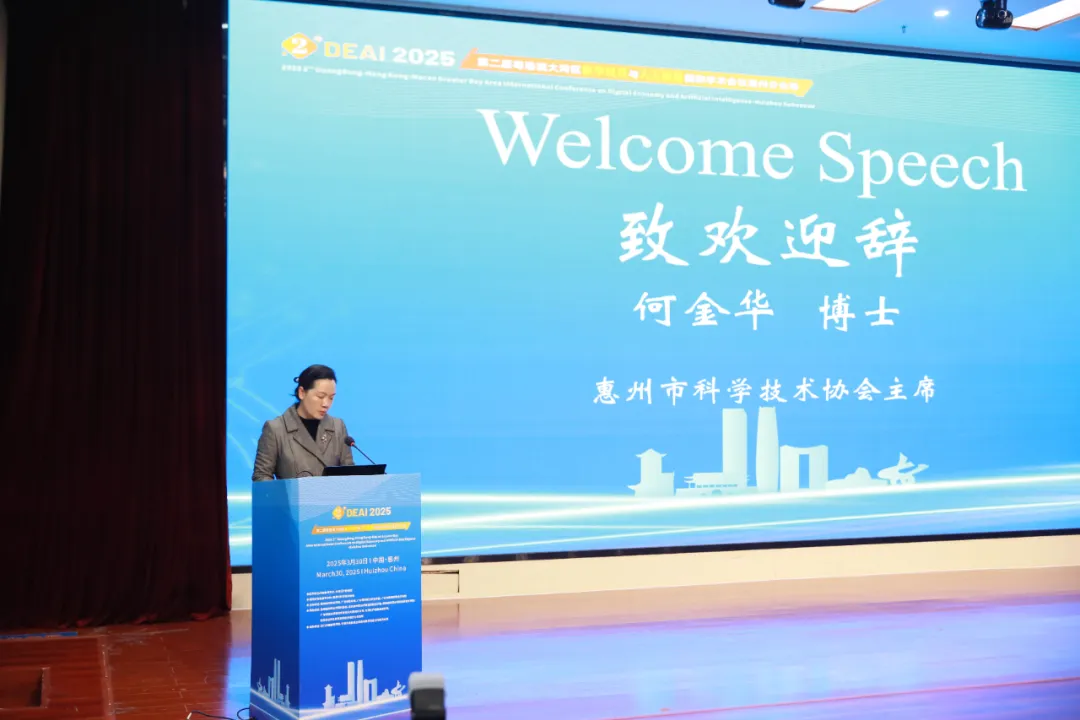
Dr. He Jinhua, Chairman of the Huizhou Association for Science and Technology, stated in his address that, as a key node city in the Greater Bay Area, Huizhou has always upheld "manufacturing as the foundation of the city" and adhered to the strategy of "innovation-driven development," building pillar industry clusters in electronic information, petrochemical energy and new materials, and life and health. The academic conference, themed on "digital economy and artificial intelligence," aligns perfectly with Huizhou's development direction. He expressed the hope that, through this platform, global wisdom can be gathered to jointly explore new pathways for the deep integration of artificial intelligence and the real economy.
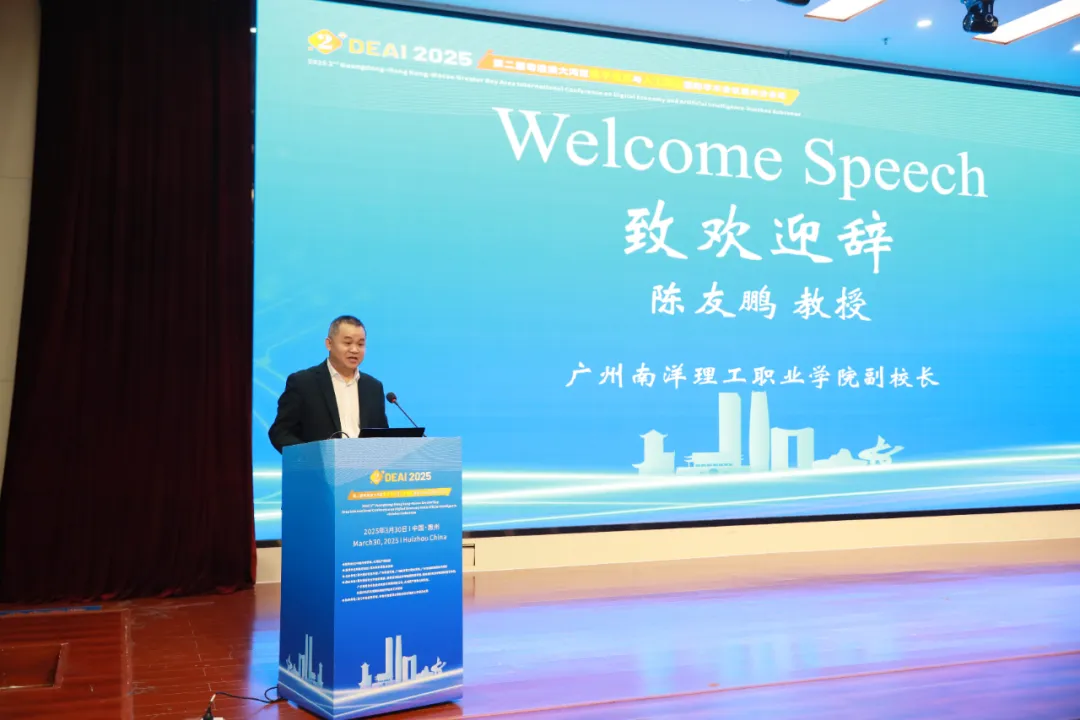
Mr. Chen Youpeng, Vice President of co-organizer Guangzhou Nanyang Polytechnic College, stated in his address that the conference is both a "contest of masters" in frontier technology and a "Bay Area convergence" of industry, academia, research, and application. He hoped that, taking this conference as a starting point, the participants would build highlands of industry-education integration innovation, technology-skill translation, and digital talent cultivation, and open a new blueprint for the development of the digital economy and artificial intelligence in the Greater Bay Area.
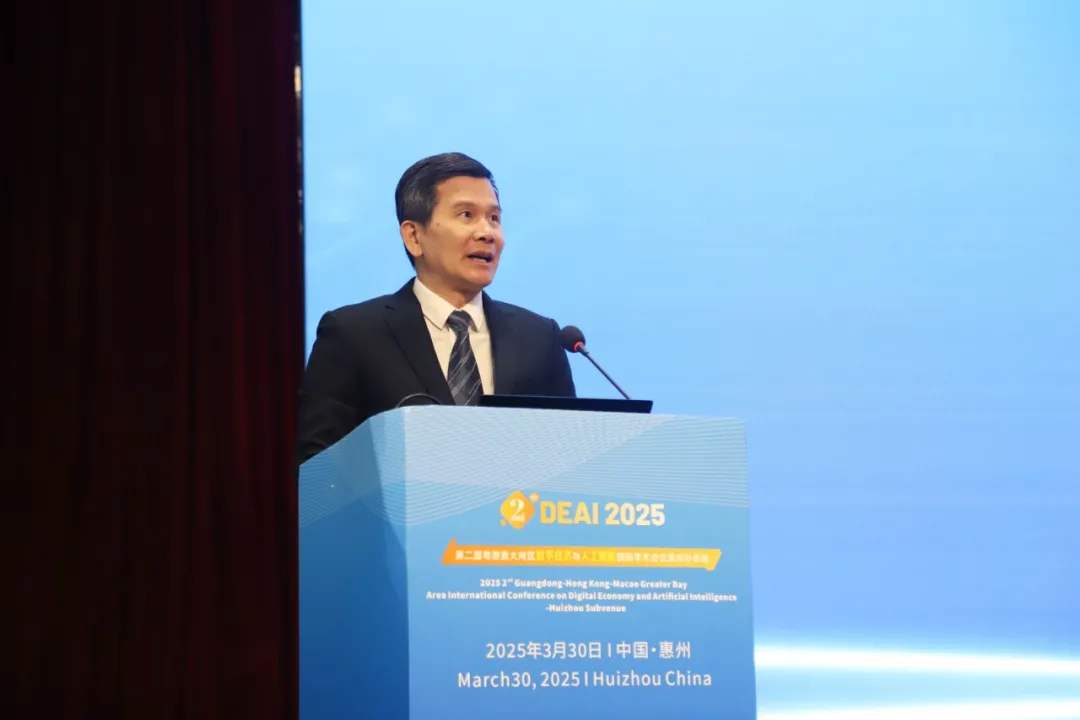
Mr. Zhong Wenyu, Party Secretary of Huizhou City College, pointed out in his address that, standing at the historical juncture of the deep integration of the "9+2" city clusters in the Greater Bay Area, we need to reconstruct the value chain of traditional manufacturing through "digital-real integration," promote citywide digital transformation in transportation, government affairs, and environmental protection through the "city brain," and break down boundaries through "co-cultivation of talent," connecting vocational college classrooms directly to enterprise production lines. He expressed the expectation that, seizing the opportunity of this conference, all parties would jointly explore the "Huizhou path" for technological breakthroughs, cultivate the "Bay Area paradigm" for industrial upgrading, and build a symbiotic and co-prosperous "smart ecosystem."
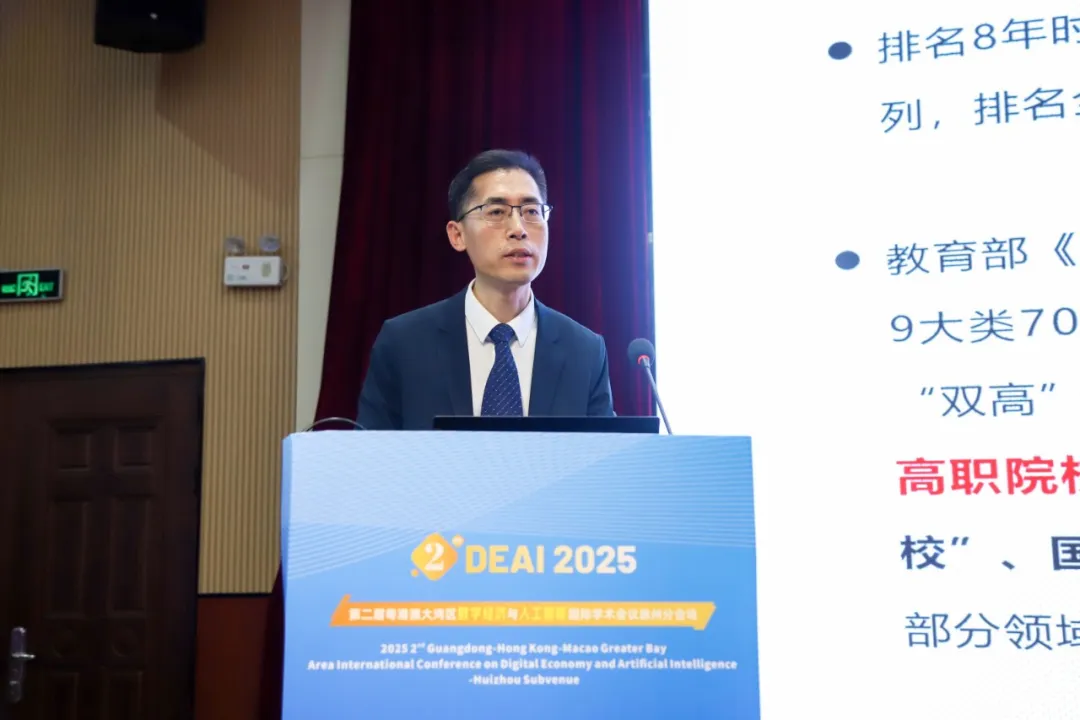
Professor Liang Naifeng, Member of the Party Leadership Group and Director of the Science & Technology Department of Huizhou City College, released the university's industry-academia-research achievements in digital economy and artificial intelligence under the title "Reform and Innovation, Digital-Intelligent Empowerment: Advancing the University to the Forefront."
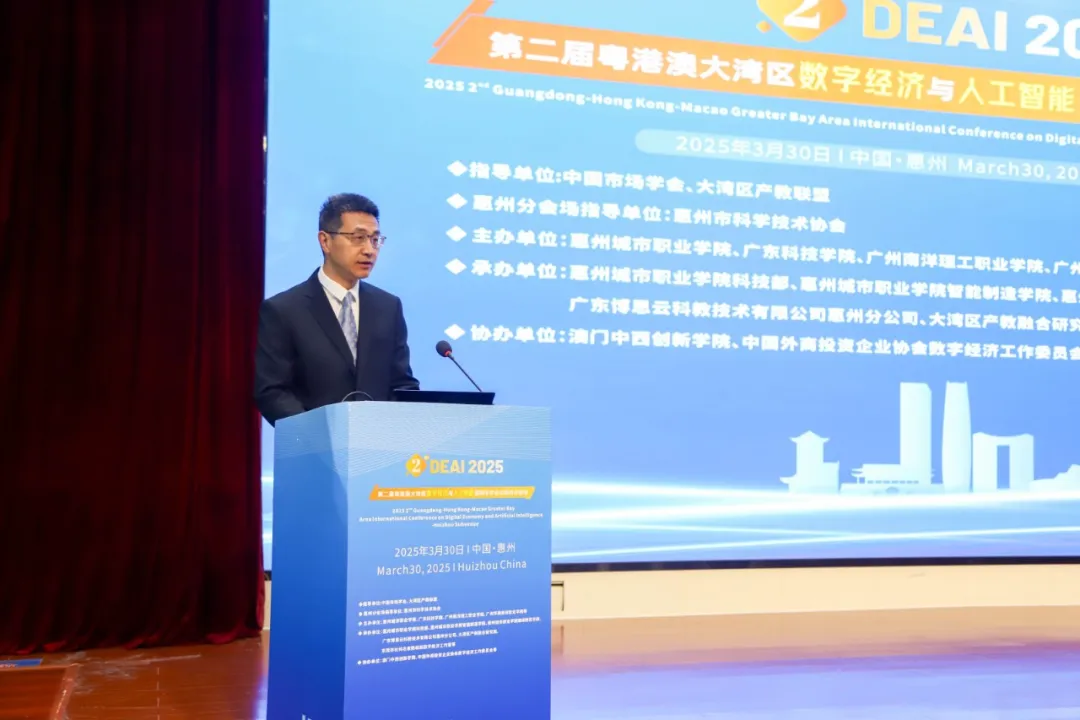
The opening ceremony of the Huizhou sub-venue was hosted by Mr. Zhang Fangyang, Deputy Party Secretary and President of Huizhou City College.
(7) Expert Keynotes on Development
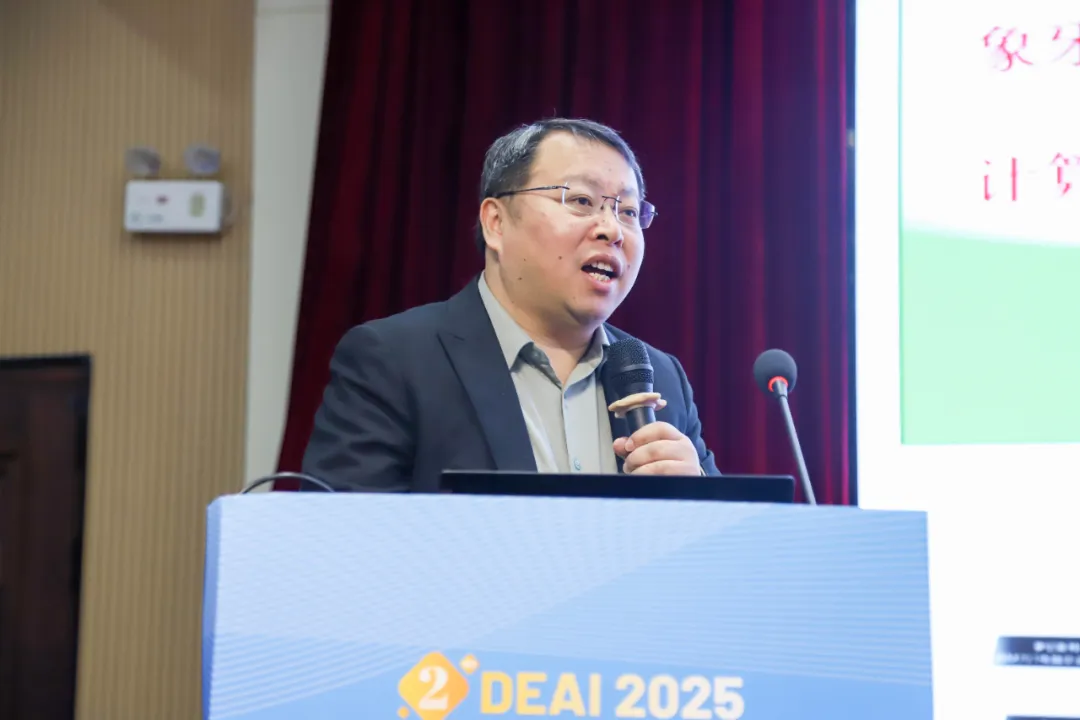
Mr. Sun Weijun, Vice President of the Huizhou New Generation Industrial Internet Innovation Research Institute and PhD Supervisor of Guangdong University of Technology, delivered a keynote titled "The Development of Artificial Intelligence and Its Application in Ecological Environment Monitoring." He pointed out that AI is widely used in ecological environment monitoring, including intelligent sampling, data analysis, and early warning, enabling unattended operation and automated monitoring, and greatly improving efficiency. He emphasized that innovative applications of AI in pollution tracing, biodiversity monitoring, and other fields will drive the intelligent transformation of ecological environment monitoring.
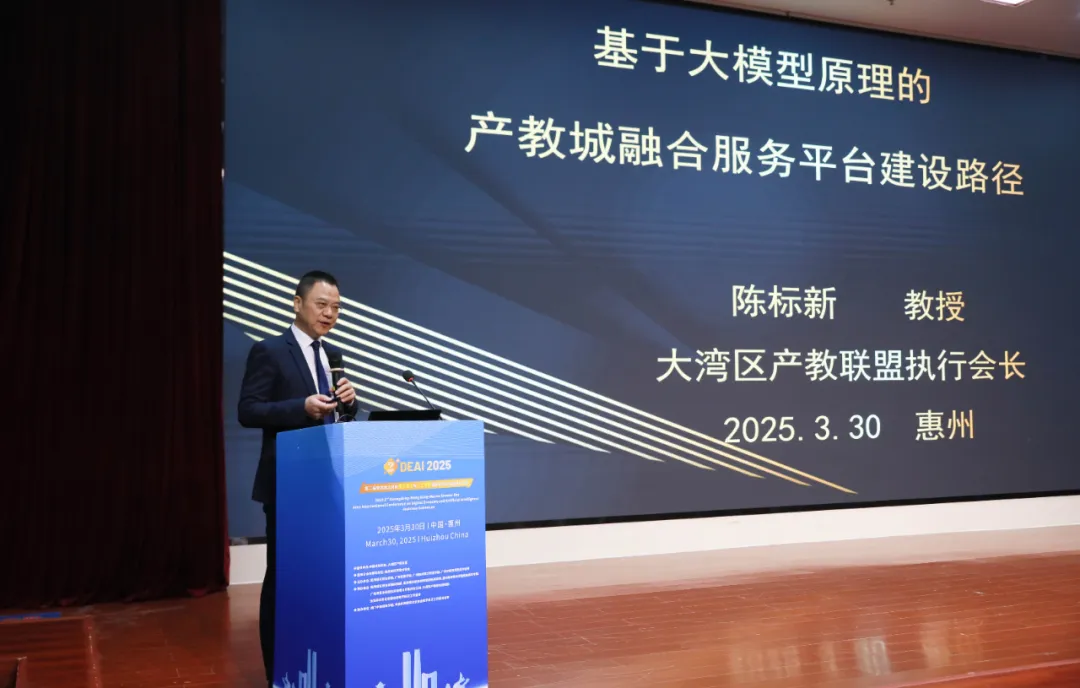
Professor Chen Biaoxin, Executive President of the Greater Bay Area Industry-Education Alliance and Vice President of Guangdong University of Science and Technology, delivered a keynote titled "Pathways to Building an Industry-Education-City Integration Service Platform Based on Large Model Principles." He pointed out that there is currently a disconnect between the talent cultivated by universities and enterprise needs, and that educational concepts and technologies lag behind social development. He shared practical cases of building a "person-job matching" talent service platform and an "one-body-two-wings" industry-education integration service platform. He proposed that higher and vocational education should adhere to a "user-centered, demand-oriented" approach, keep pace with the times, target frontier technologies and the needs of regional economic and social development, seize the strategic opportunities brought by the rapid iteration of AI technologies, apply the principles of large models, rely on industrial big-data resources, and construct an industry–occupation–major spectrum map to achieve the "dual alignment" between talent cultivation needs and enterprise position needs, local economic and social development needs, as well as knowledge graphs and capability graphs. Using industry-education integration as the lever and technological innovation as the engine, the deep integration of the education chain, talent chain, industry chain, and innovation chain should be realized to boost industrial and local economic development. He proposed that the Greater Bay Area, as one of China's regions with the highest degree of openness and strongest economic vitality, possesses superior conditions to pioneer and build a demonstration platform for industry-education integration in higher and vocational education in the AI era.
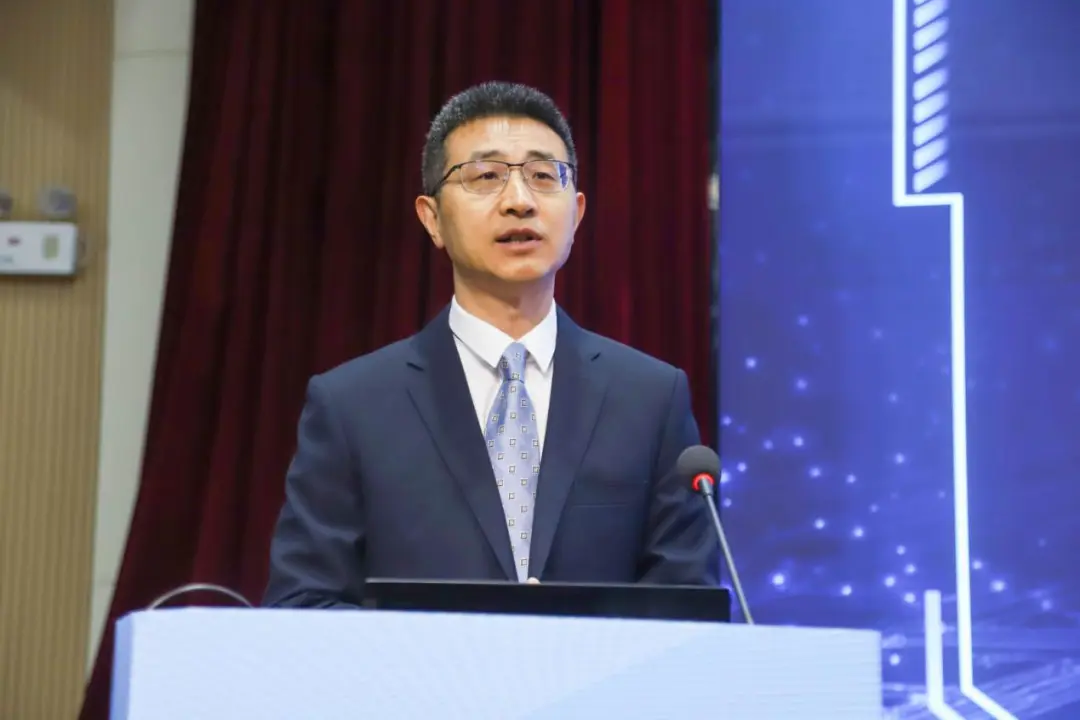
Mr. Zhang Fangyang, President of Huizhou City College, delivered a keynote titled "The Dual Waves of the Era — The Restructuring, Governance, and Future of the Digital Economy and Artificial Intelligence." The report pointed out that Huizhou is restructuring its industrial ecosystem by promoting the digital transformation of traditional industries — such as building smart-manufacturing demonstration factories and launching "AI+" initiatives, and cultivating future industries like industrial large models and humanoid robots. In terms of governance, he emphasized the coordinated advancement of institutional innovation and technological progress to ensure the standardized development of AI. In the future, Huizhou will leverage the deep integration of digital economy and artificial intelligence to build a new engine for high-quality development.
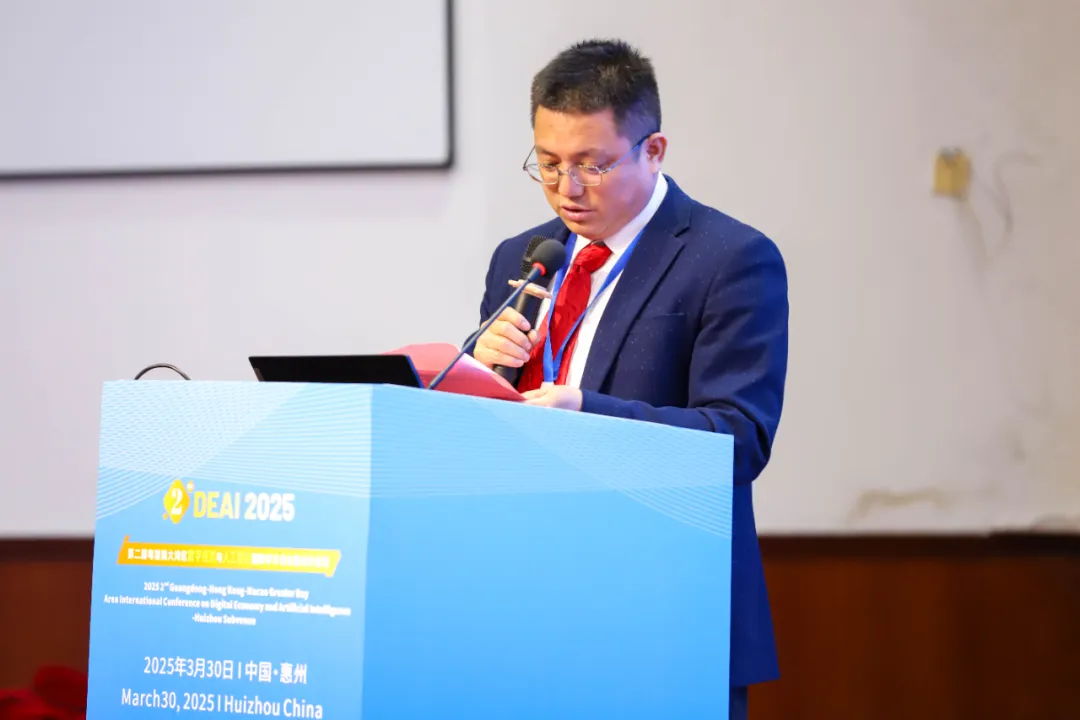
The keynote session was hosted by Mr. Hou Bolin, Dean of the School of Intelligent Manufacturing at Huizhou City College.
(8) Roundtable Dialogue
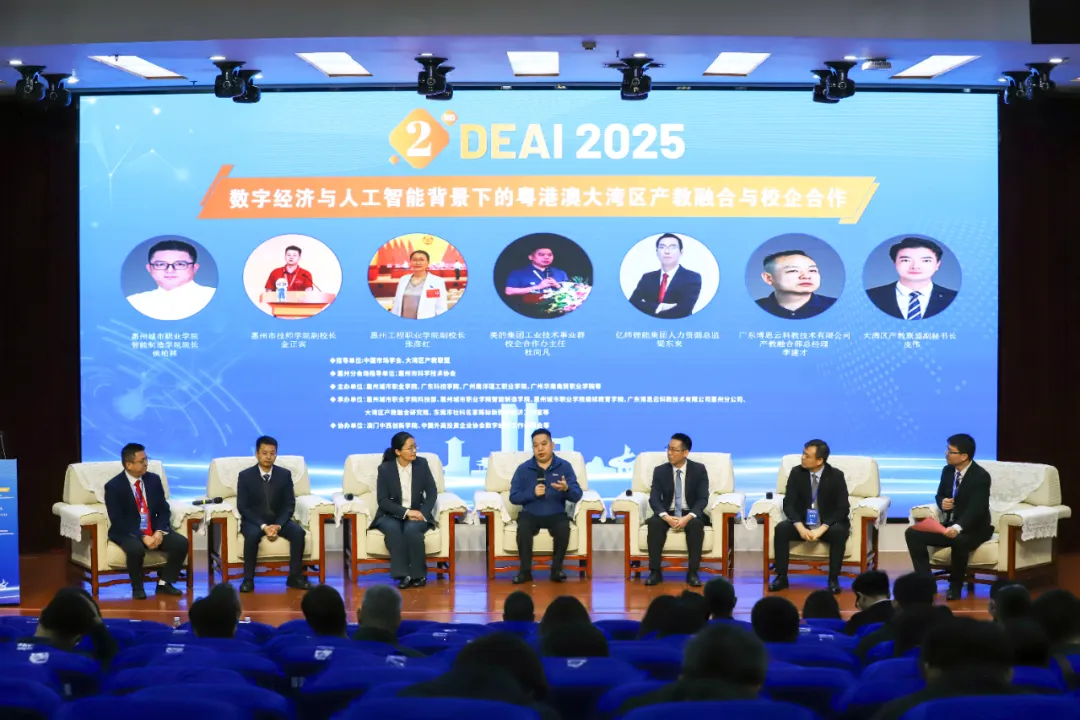
Guests including Zhang Yanhong (Vice President of Huizhou Engineering Vocational College), Jin Zhengying [note: listed elsewhere as "Jin Zhengbin"; source text varies] (Vice President of Huizhou Technician College), Hou Bolin (Dean of the School of Intelligent Manufacturing at Huizhou City College), Du Xiangfan (Director of the School-Enterprise Cooperation Office of Midea Group Industrial Technology Business Group), Liang Donglai (HR Director of EVE Energy Headquarters), and Li Jiancai (General Manager of the Industry-Education Integration Department of Guangdong Bosiyun Science and Education Technology Co., Ltd.) participated in the roundtable dialogue. Focusing on topics such as the precise alignment of industry needs with educational supply, innovation in digital talent cultivation models, and school-enterprise collaborative technology breakthroughs, the participants engaged in in-depth exchanges, providing forward-looking strategies for industry-education integration and school-enterprise cooperation in the Greater Bay Area under the backdrop of digital economy and artificial intelligence.
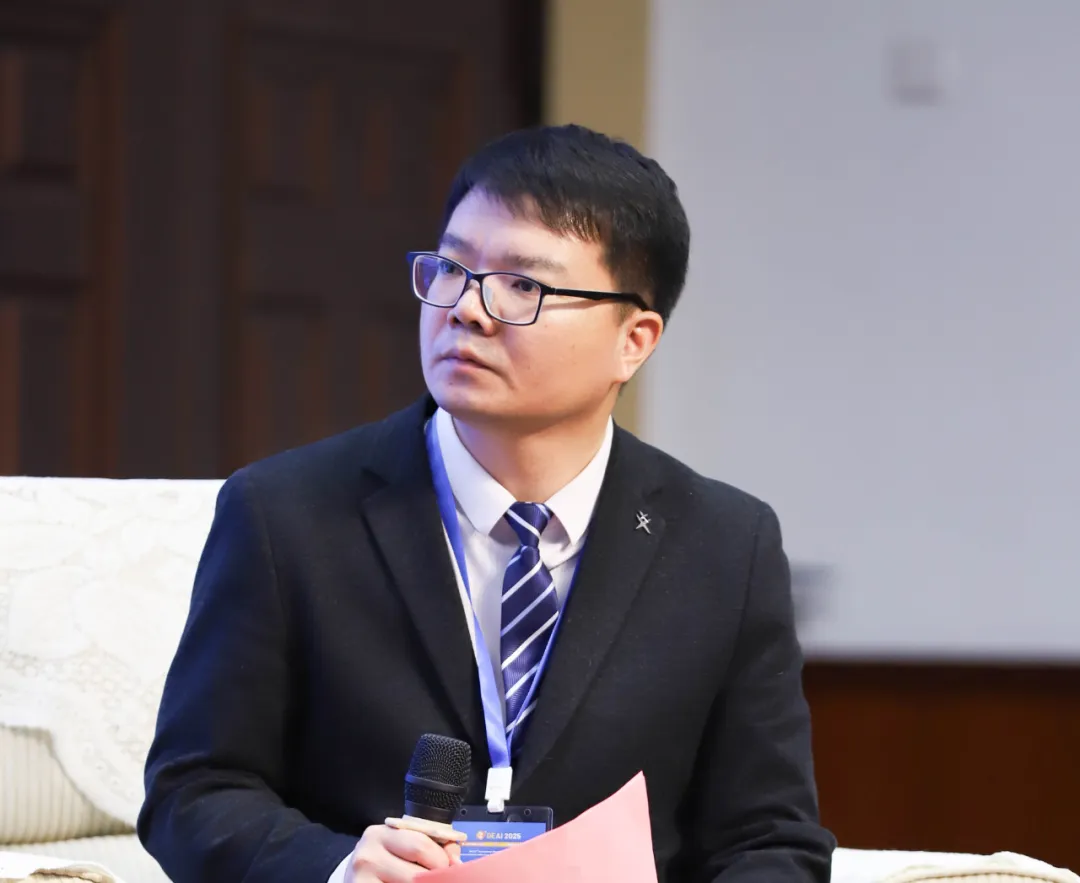
The roundtable dialogue was hosted by Mr. Pi Wei, Deputy Secretary-General of the Greater Bay Area Industry-Education Alliance.
(9) Specialized Tutorials + Invited Reports
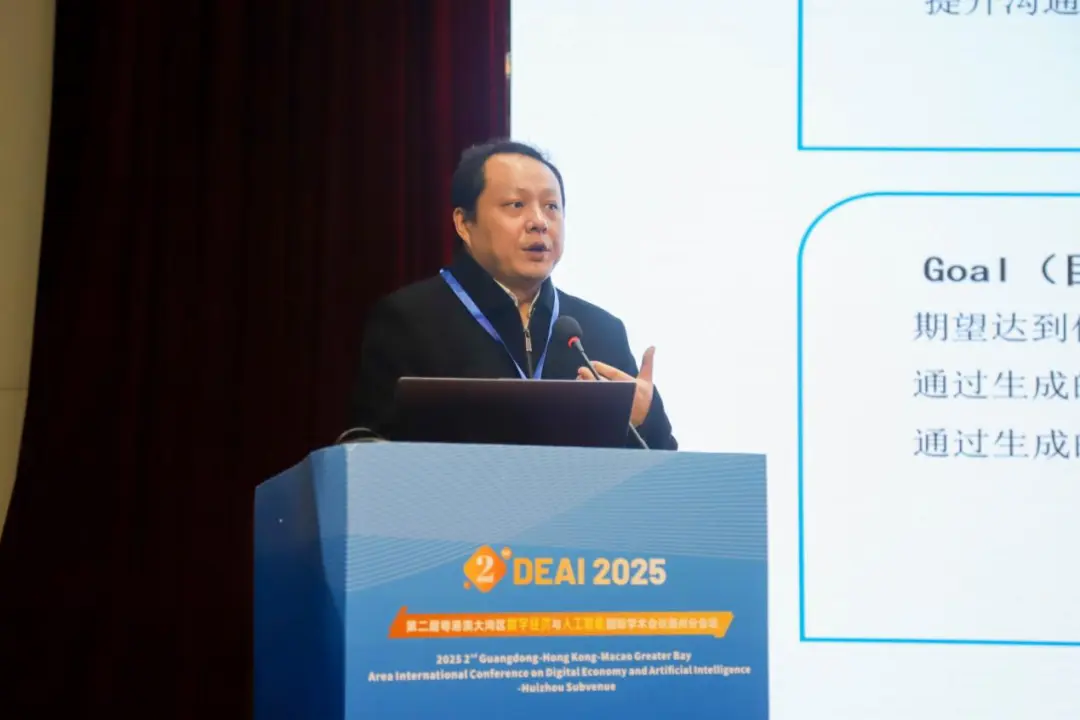
Mr. Zhu Liming, Special Researcher of the Dongguan Social Science Celebrity Chen Biaoxin Digital Economy Studio, PhD of Renmin University of China, and Visiting Scholar at the University of Waterloo (Canada), delivered a specialized tutorial on "Multi-Scenario Applications and Advanced Use of Large AI Models." Combining theory with hands-on cases, he analyzed the innovative application pathways of AI technology in industrial upgrading and educational scenarios.
Mr. Li Qiao, Co-founder of Suzhou Bolian Technology, shared from an enterprise perspective on "Industry-Education Integration in 3D Printing: Over a Million Terminal Applications."
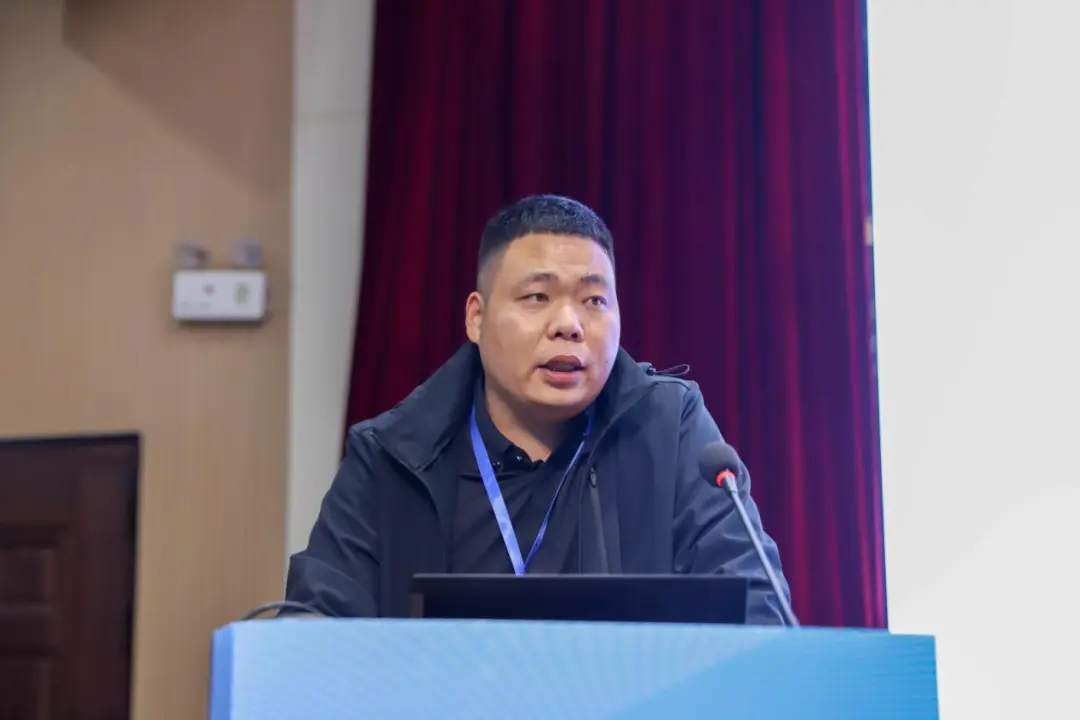
Mr. Wu Dongpeng, Project Manager of Guangdong Aopu Special Technology Co., Ltd. focused on "Machine Vision, Industry-Education Integration, and School-Enterprise Cooperation," presenting real-world scenarios of technology-driven industrial transformation.
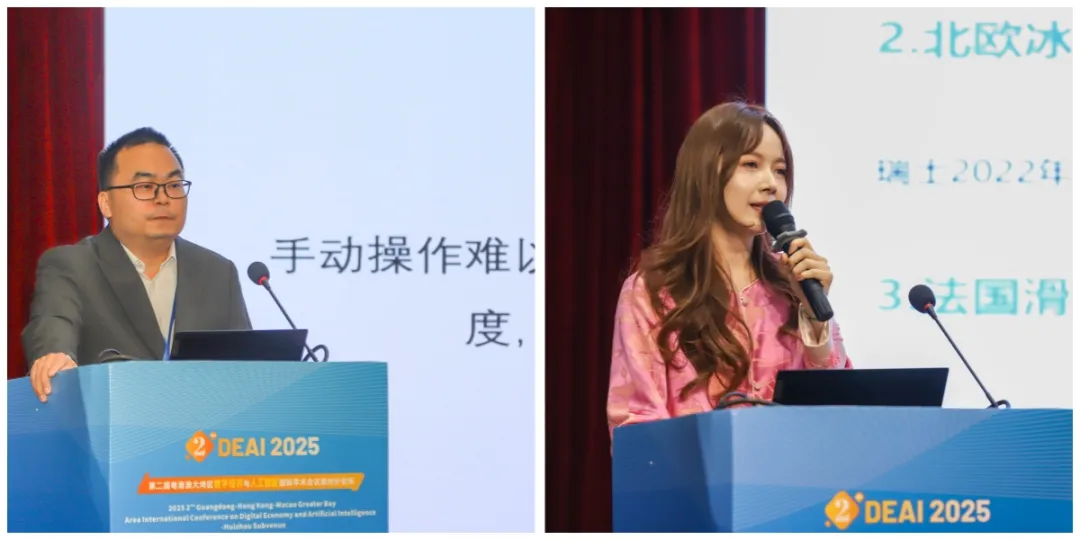
Young scholars such as Wu Renjun of Huizhou City College and Zhang Siqi of Changchun University presented their academic research achievements in artificial intelligence, digital economy, and other fields through oral reports.
(10) Outstanding Paper Awards
As a co-organizer of the conference, faculty of Huizhou City College actively submitted papers. Professor Liang Naifeng, Member of the Party Leadership Group and Director of the Science & Technology Department of the university, presented certificates to 23 submitting authors who won the Outstanding Paper Award in recognition of their contributions.
III. AI Hands-on Training Empowerment
Enhancing Teachers' Teaching and Research Capabilities
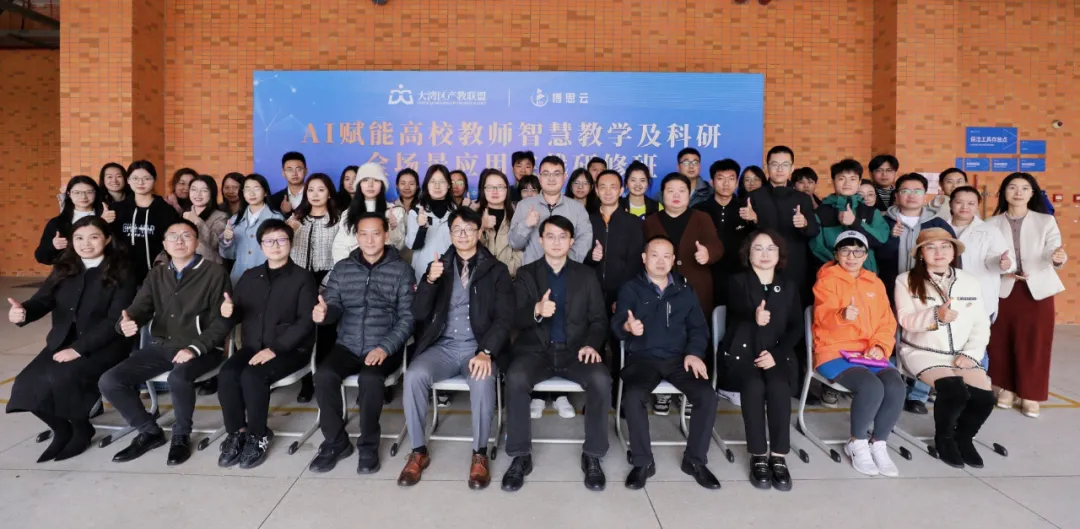
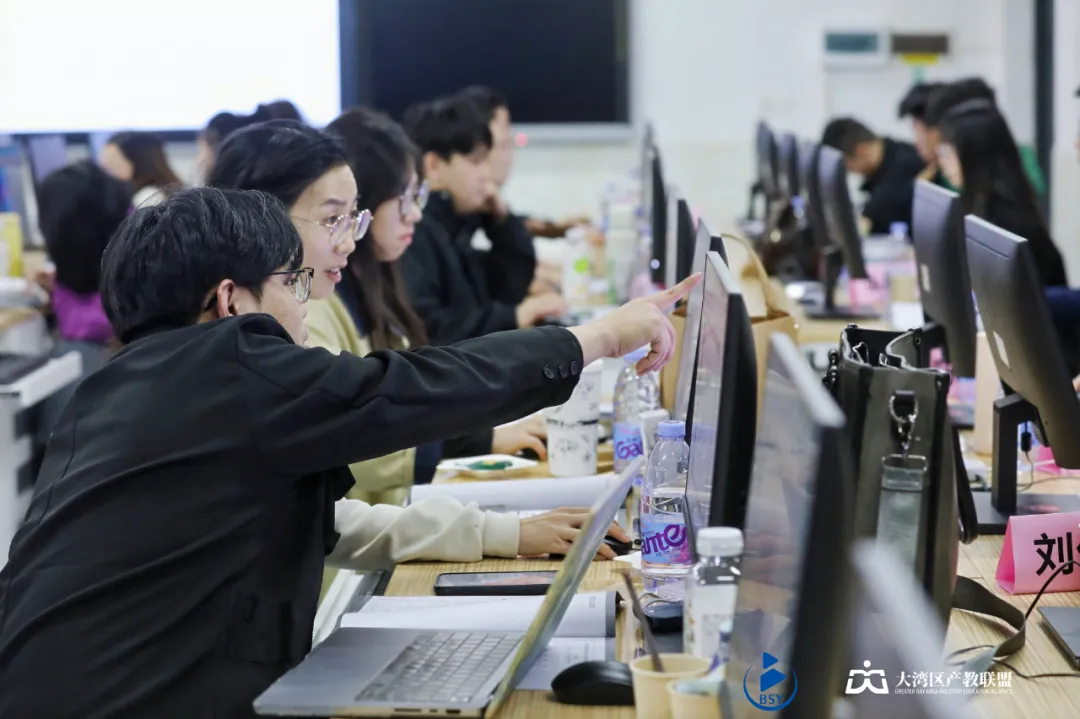
On March 30, the Dongguan main venue simultaneously hosted the "AI-Empowered Smart Teaching and Full-Scenario Research Application Hands-on Training Workshop for University Faculty." More than 200 faculty members and research leaders from nearly 20 universities across the country gathered for in-depth training in a combined offline and online format.
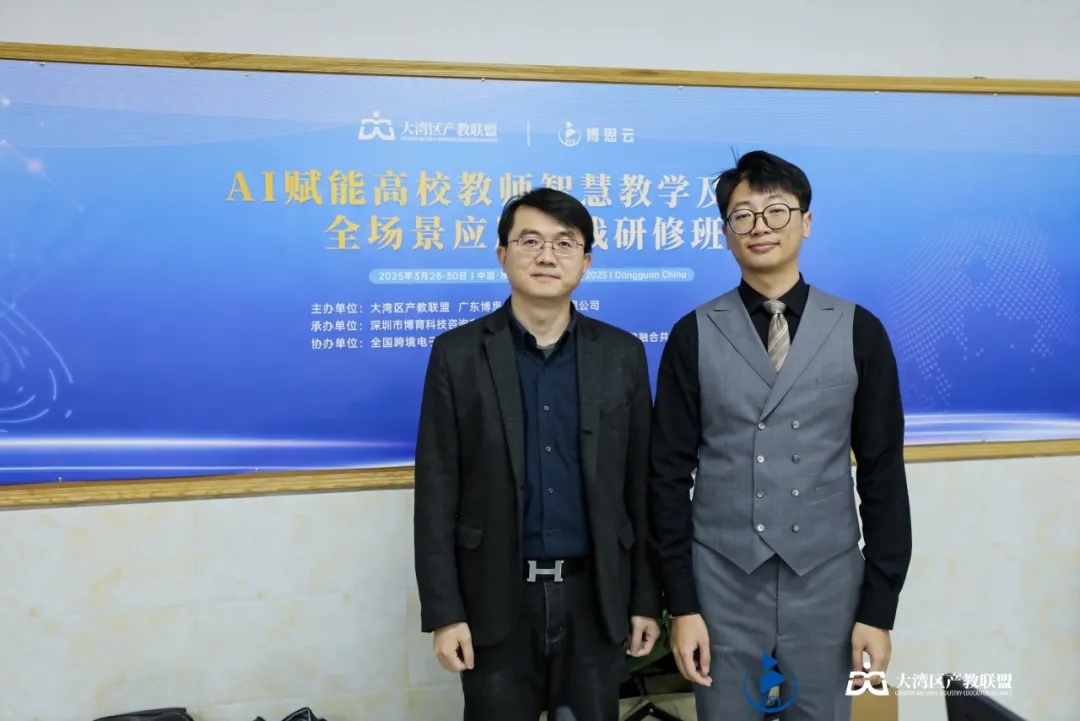
The workshop invited Mr. Zheng Yu, Senior Technical Expert of the Ministry of Industry and Information Technology (MIIT), and Mr. Wu Bo, PhD of Zhejiang University and Associate Professor of Economics, as keynote instructors. Drawing on real cases and focusing on the application of AI technologies in teaching and research scenarios, the two experts provided an in-depth analysis of the implementation pathways of AI tools in classroom interaction, learning analytics, and academic research, offering participating teachers comprehensive support from conceptual renewal to technical practice.
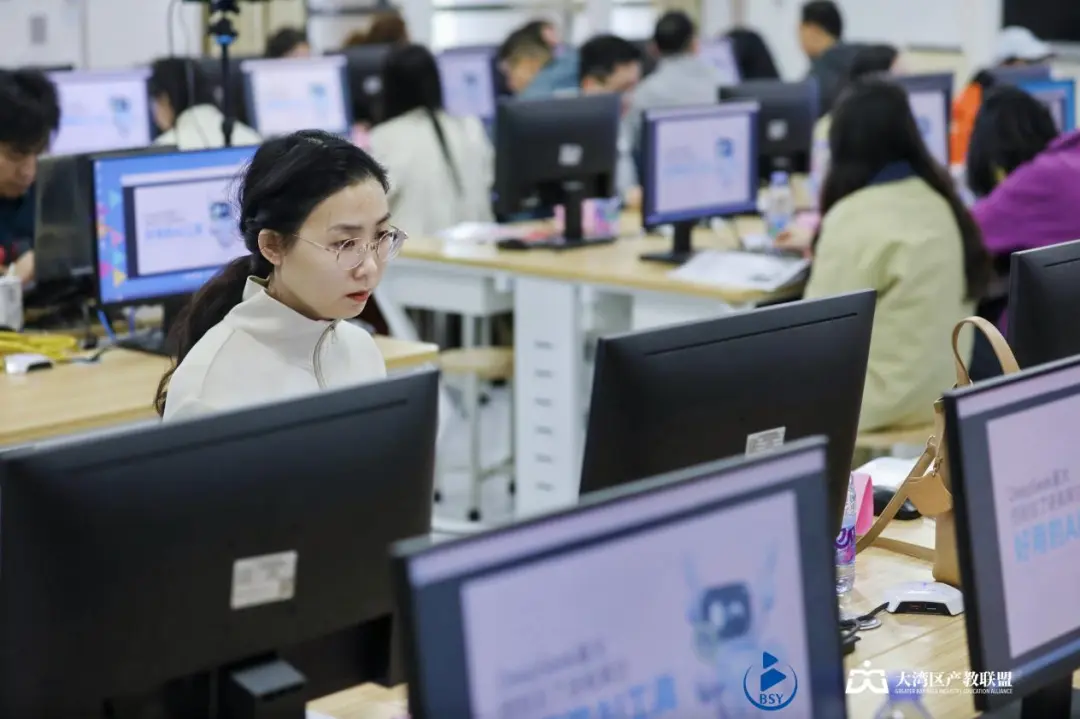
The training covered the application of AI technologies in instructional design optimization, personalized teaching assessment, and interdisciplinary literature analysis, helping teachers master practical methods of cutting-edge technical tools. Through systematic training, participating teachers not only enhanced their data-insight capabilities but also laid a technical foundation for the rigor and innovation of their academic output. This training helped university faculty break through traditional teaching and research models, injecting strong momentum into educational innovation.