
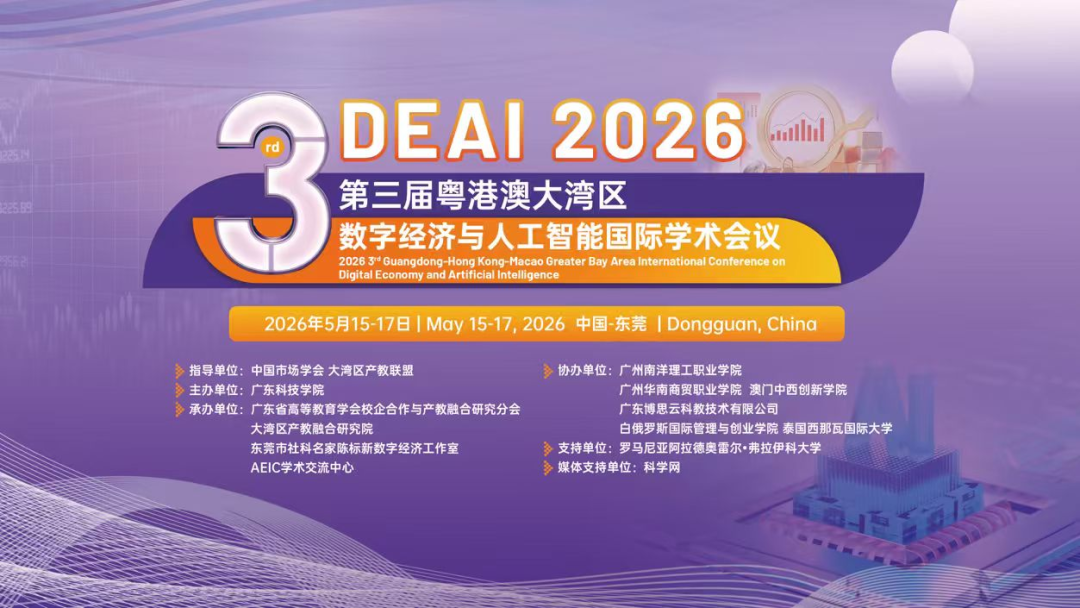
On May 16, 2026, the 3rd Guangdong-Hong Kong-Macao Greater Bay Area International Conference on Digital Economy and Artificial Intelligence (DEAI 2026) was successfully held in Dongguan City, Guangdong Province. The conference was guided by the China Marketing Association and the Greater Bay Area Industry-Education Integration Alliance, hosted by Guangdong University of Science and Technology (GUST), and organized by the Research Branch of Industry-Education Integration and University-Enterprise Cooperation of the Guangdong Higher Education Society, the Greater Bay Area Industry-Education Integration Research Institute, the Dongguan Social Science Celebrity Chen Biaoxin Digital Economy Studio, and the AEIC Academic Exchange Center. The conference attracted experts, scholars, and industry elites from universities in multiple countries and regions, including Columbia University, Universiti Malaysia Sabah, Rajamangala University of Technology Tawan-ok (Thailand), University of Macau, Southern University of Science and Technology, South China Normal University, Shenzhen University, Guilin University of Electronic Technology, Anhui Normal University, Beijing Forestry University, Guangdong University of Science and Technology, Chengdu Jincheng University, and Chengdu Technological University.
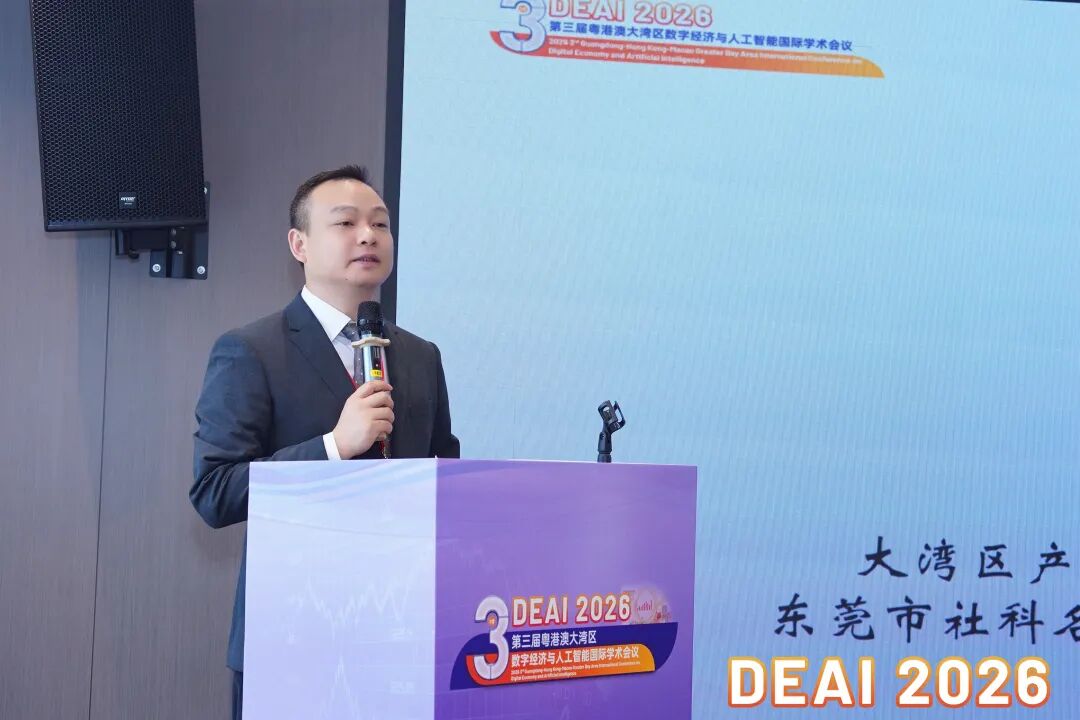
The opening ceremony and keynote report session were hosted by Li Jiancai, Executive Dean of the Greater Bay Area Industry-Education Integration Research Institute and Executive Director of the Dongguan Social Science Celebrity Digital Economy Studio.
Professor Chen Biaoxin, Chairman of the Greater Bay Area Industry-Education Integration Alliance and Vice President of Guangdong University of Science and Technology, delivered the opening address. He pointed out that, as the core engine of the nation's digital economy and artificial intelligence development, the Guangdong-Hong Kong-Macao Greater Bay Area must rely on deep industry-education integration to drive technological innovation and industrial upgrading. The Alliance will continue to leverage its platform advantages to connect resources from universities, enterprises, research institutions, and government, promoting the deep integration of talent cultivation, technology transfer, and industrial upgrading in the fields of digital economy and artificial intelligence.

Han Wenyuan, Vice President of the Belarusian International Institute of Management and Entrepreneurship and Doctor of Agricultural Sciences, delivered a video address. He stated that the digital economy and artificial intelligence are becoming the core engines driving global industrial transformation, educational innovation, and international cooperation. He fully affirmed the value of this conference as an international exchange platform, and expressed his expectation to engage in in-depth cooperation with Guangdong University of Science and Technology, the Greater Bay Area Industry-Education Integration Alliance, and Chinese and foreign universities and enterprises, jointly promoting the deep integration of digital technology with the real economy and the education system.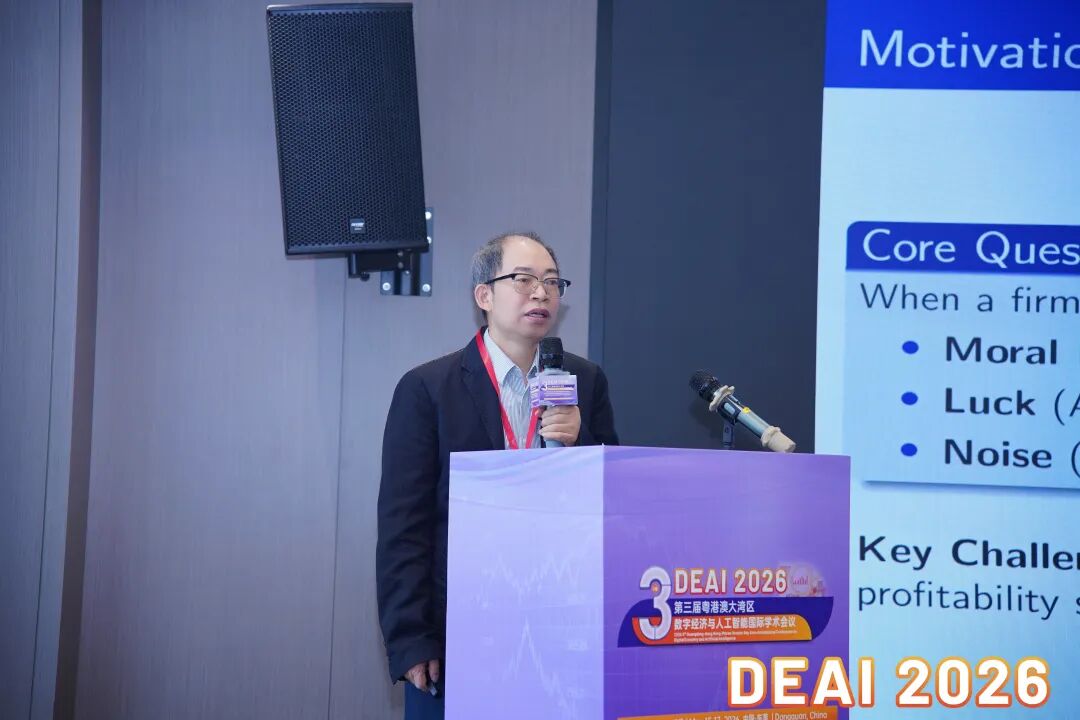
Prof. Zhaojun Yang, Southern University of Science and Technology — "Learning, Regime Switching, and Information Rents in Dynamic Incentive Contracts". He shared the formation mechanism of information rents in dynamic incentive contracts and its inverted-U relationship with investor uncertainty, pointing out that when designing corporate incentive mechanisms, one needs to proactively manage the costs brought by information asymmetry, rather than relying solely on traditional incentive approaches.

Prof. Philippe Fournier-Viger, Shenzhen University — "Algorithms for the Identification of Useful Patterns in Data and Applications in Intelligent Systems". He shared how to extract interpretable patterns from complex data using data mining tools such as SPMF and apply them to fields such as intelligent manufacturing and cybersecurity, pointing out that the true value of intelligent systems lies not only in prediction accuracy but also in interpretability, and that the integration of data mining with traditional AI will drive more reliable intelligent decision-making.
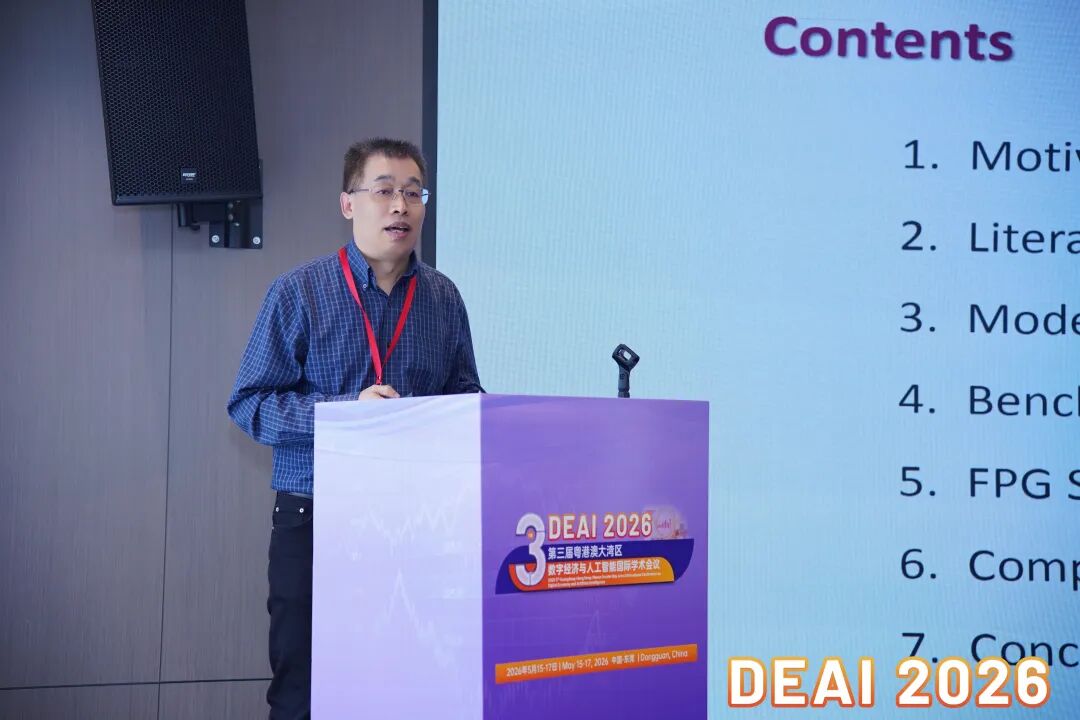
Prof. Qingyu Zhang, Shenzhen University — "Alleviating poverty for common prosperity: The role of Fupinguan in an E-tailing Supply Chain". He shared the supply chain mechanism by which the "Fupinguan" (Poverty Alleviation Pavilion) model empowers disadvantaged suppliers with market advantages and achieves win-win outcomes for all parties, pointing out that business innovation and social value can be deeply integrated, and that designing appropriate platform mechanisms can not only reduce poverty but also enhance the competitiveness of the entire supply chain.

Prof. Pingshan Liu, Guilin University of Electronic Technology — "Multi-modal Sentiment Analysis based on Expert Feature-Aligned Diffusion under Uncertain Image Modality". He shared a method that uses an expert feature-aligned diffusion model to improve sentiment analysis accuracy when image modality is missing, pointing out that, facing incomplete multimodal data, the combination of generative models with curriculum learning can effectively compensate for information gaps and provide reliable solutions for sentiment computing in real-world scenarios.
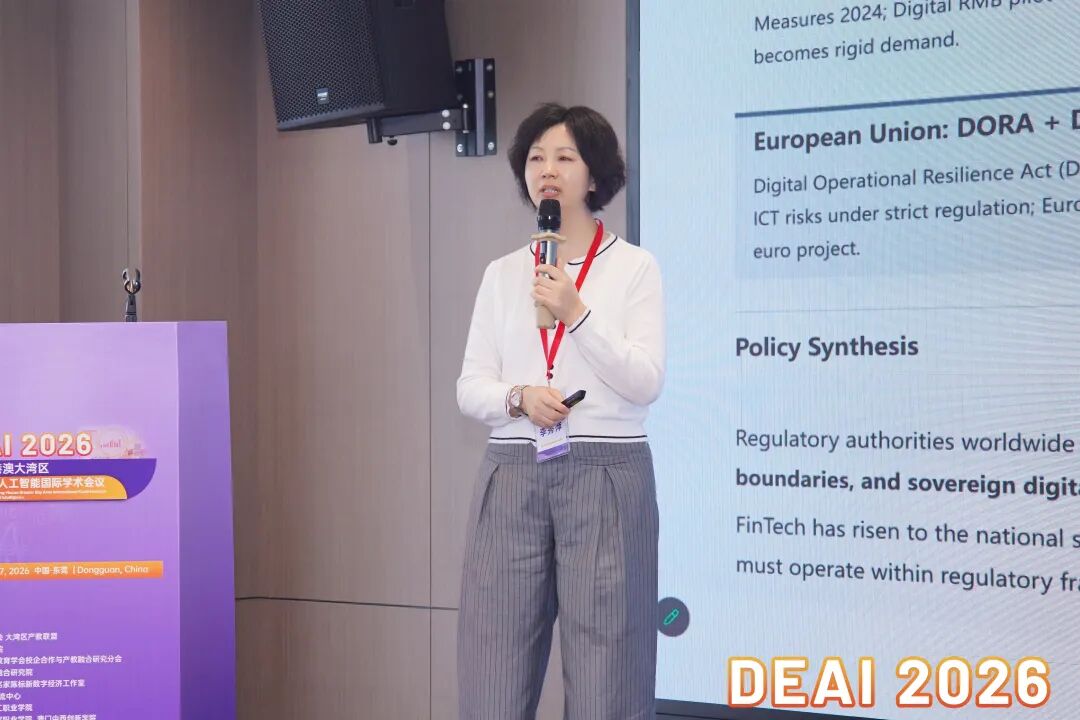
Prof. Xiuping Li, Wuhan Donghu University — "The Current Development and Trends of the Financial Technology Major". She shared the opportunities and challenges facing the development of financial technology programs against the backdrop of digital transformation and envisioned the direction of program development, pointing out that the deep integration of the digital economy and artificial intelligence is comprehensively reshaping the business models and boundaries of the global financial industry; financial technology has shifted from technology empowerment to a new stage of ecosystem leadership, requiring new practical guidance for the cultivation of digital finance talent and the development of academic disciplines.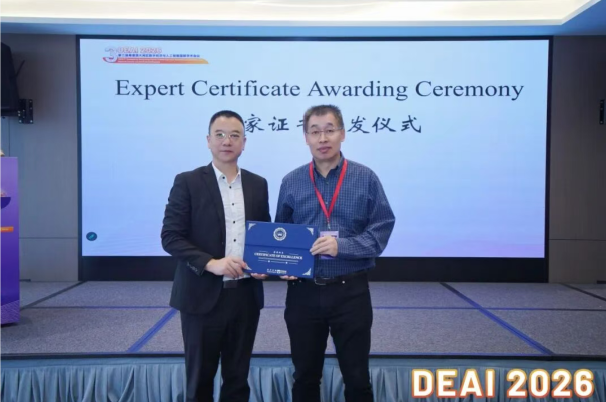
During the conference, a ceremony for presenting expert certificates was held. Professor Chen Biaoxin, Chairman of the Greater Bay Area Industry-Education Integration Alliance and Vice President of Guangdong University of Science and Technology, presented speaker certificates to Professors Yang Zhaojun, Philippe Fournier-Viger, Zhang Qingyu, Liu Pingshan, and Li Xiuping.
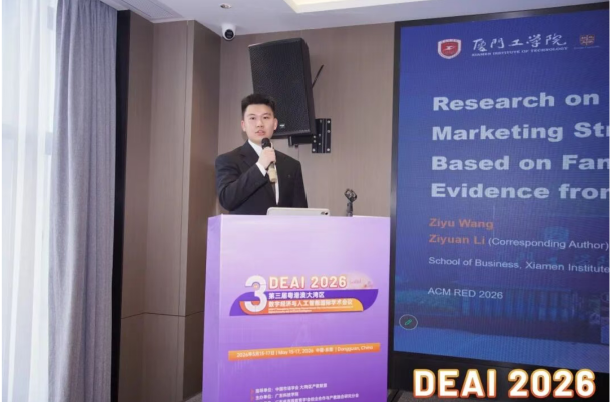
In the oral presentation session, young scholars from 17 universities—including Rajamangala University of Technology Tawan-ok (Thailand), Universiti Malaysia Sabah, National Cheng Kung University (Taiwan, China), Lanzhou University, Xinjiang University, and Guangdong University of Science and Technology—took the stage in turn to share their latest research results in areas such as ESG and corporate debt costs, AI-driven industrial transformation, fintech and green innovation, and digital twin technology applications. Multiple high-quality papers from this conference will be indexed by major international databases such as EI and Scopus, demonstrating significant academic influence and industry value.

The successful holding of this conference has further promoted international academic cooperation in the fields of digital economy and artificial intelligence in the Guangdong-Hong Kong-Macao Greater Bay Area, facilitated the deep integration of industry, academia, and research, and provided strong support for regional technological innovation and high-quality development.